Power bills set to rise: Consumer NZ warning

Kim Bowden
13 February 2026, 5:00 PM
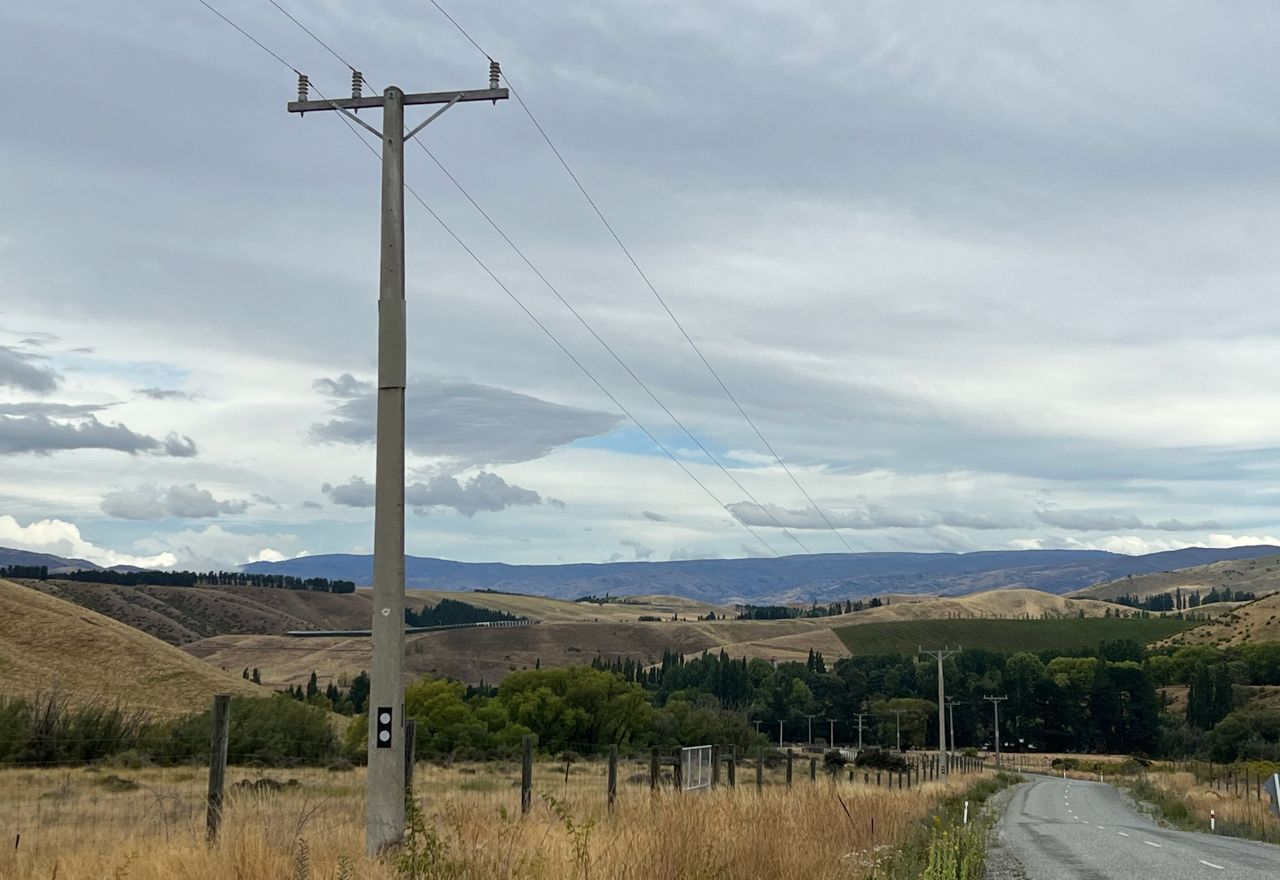 Investment in lines is driving power prices up, energy providers say. Image: The Central App
Households in Central Otago are being told to brace for significant power price hikes this winter, despite hydro dams spilling surplus water.
Consumer NZ released a warning this week predicting power prices will surge by approximately five per cent across the country in 2026, off the back of a 12 per cent increase last year.
It is a move Consumer NZ called "a blow to households".
The price warning coincides with heavy summer rainfall that has forced dams like the one in Clyde to spill water - a sight familiar to local commuters.
"It’s an unfortunate reality that households are being asked to shoulder higher charges to have electricity delivered to their homes," Powerswitch manager Paul Fuge said.
"But at the same time, heavy rainfall over summer - so extensive that major hydro lakes are spilling water - has driven down wholesale electricity prices.
“Those lower generation costs should be easing the pressure on consumers by offsetting these rising lines charges. That doesn't seem to be happening. And that’s deeply unfair."
Industry body ERGANZ, which represents electricity providers, defended the current pricing structure, arguing investment in the poles and wires delivering power was the primary driver of upward price pressure.
“Those rising network costs may be passed through in some bills by some electricity retailers,” the ERGANZ spokesperson said.
They said while generators may release water for "safe limits" and flood control, these wholesale swings do not hit bills immediately.
"Households do not pay the wholesale spot price directly," the ERGANZ spokesperson said.
"Electricity generator-retailers manage supply and set prices over the long term, which helps keep household bills more stable when wholesale prices swing."
Consumer NZ research found last winter, one in five New Zealanders went to bed early to stay warm, and one-quarter went without heating.
"Based on our price predictions for 2026, we think the situation will only get worse," Paul said.
Local lines provider Aurora Energy confirmed its new prices will take effect from April 1, with the exact figures to be published on February 25.
Aurora chief executive Richard Fletcher said the company’s charges reflect "continued investment across our network to increase capacity and resilience".
Aurora is in a unique position compared to other lines companies because it is currently finishing a five-year "customised price path" for its investment plan, which ends on March 31.
"While other lines companies saw a larger price increase last year as part of the adjustment, our changes are taking effect this year," Richard said.
He said the company’s charges reflected the need to increase network capacity as more households electrify - switching to electric heating and vehicles - as well as the cost of connecting new customers and repairing old infrastructure.
"We understand price increases are challenging for many people in the communities we serve, and transparency about what’s driving these changes is vital," he said.
Have a story to share or comment to make? Contact [email protected]
NEWS

WHAT'S ON