Central Otago included in Fish & Game NZ bird flu testing operation

Staff Reporter
04 March 2026, 5:00 PM
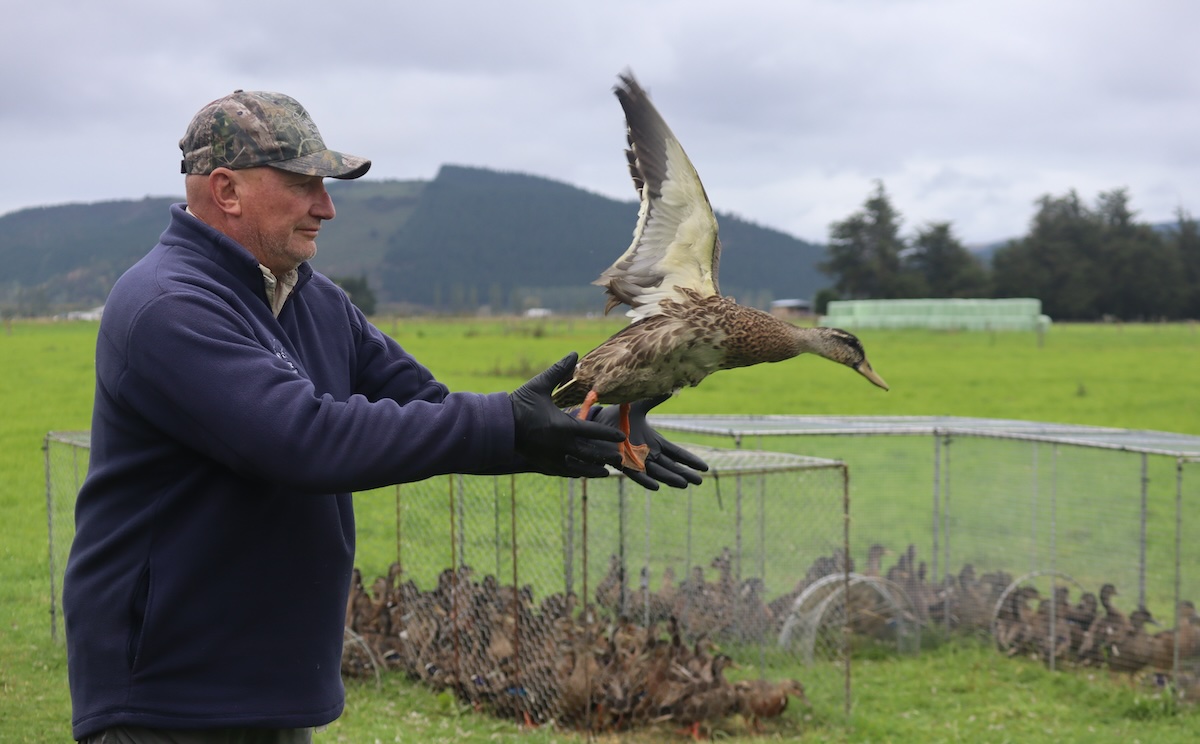 Otago Fish & Game honorary ranger Mike Teasdale releases a mallard unharmed after sampling for avian influenza by Biosecurity New Zealand veterinarians. Image: Bruce Quirey, Otago Fish & Game
South Island Fish & Game regions have wrapped up a coordinated duck trapping and testing operation in partnership with Biosecurity New Zealand, strengthening New Zealand’s surveillance for avian influenza, or bird flu.
The summer surveillance operation completed this month in North Canterbury, Central South Island and Otago, forms part of increased national monitoring in response to growing global concern about the spread of highly contagious avian influenza strains.
In December 2024, the H7N6 strain of avian influenza was identified in poultry in Otago. That outbreak was linked to a likely local mutation of low pathogenic avian influenza (LPAI) and was successfully contained to a single property and stamped out.
Globally, a different and highly contagious strain known as H5N1 is spreading through wild bird movements.
It has already been confirmed in sub-Antarctic seabird colonies and continues to expand its range internationally.
While H5N1 has not been detected in mainland New Zealand, authorities remain vigilant.
Fish & Game staff and volunteers helped MPI to sample more than 800 mallards across the three regions. All birds were live captured, tested, and released unharmed.
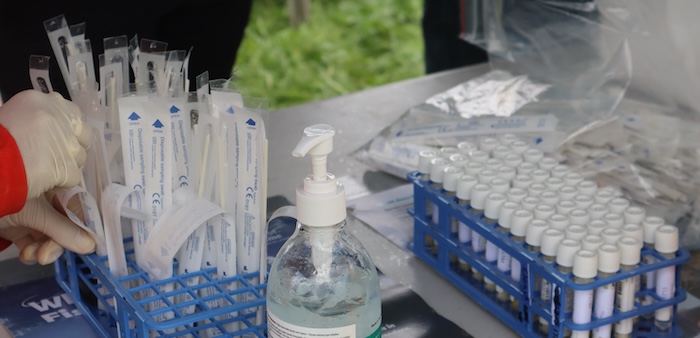
Testing equipment used in the operation. Image: supplied
Fish & Game New Zealand chief operating officer Richie Cosgrove said the programme highlighted the capability and professionalism of regional teams working together to support national biosecurity efforts.
“Our regional staff bring strong field expertise, local knowledge and established relationships with landowners to programmes like this,” Cosgrove said.
“Working alongside Biosecurity New Zealand, we’ve demonstrated how Fish & Game can contribute meaningfully to New Zealand’s frontline biosecurity surveillance while ensuring the welfare of the birds we
manage.”
Biosecurity New Zealand has enhanced its avian influenza surveillance programme, including targeted testing of mallard ducks this season in the South Island, supported by Fish & Game.
For the summer operation, Biosecurity New Zealand did an epidemiological assessment, calculated the sample size of mallards and determined the best locations. Fish & Game then indicated where they could get the required bird numbers and where the likelihood of capturing non-target species was low.
Locations were prepared in advance through pre-feeding and predator control, with traps set ahead of testing days. On the day, birds were live captured, sampled by MPI veterinarians, and safely released.
Should H5N1 or any other highly pathogenic avian influenza strain be detected in New Zealand, the Ministry for Primary Industries (including its biosecurity arm, Biosecurity New Zealand) will lead the response.
If you see three or more sick or dead wild birds in a group, report it immediately to the exotic pest and disease hotline on 0800 80 99 66 so Biosecurity New Zealand can investigate the cause. Do not handle or move the birds.
Have a story to share or comment to make? Contact [email protected]
NEWS
JOBS