The Central App

B2B News


Seat sponsorship floated to fund $200k lighting upgrade

23 February 2026, 5:00 PM

A proposed $200,000 upgrade to lighting and rigging at Cromwell’s new lakefront venue could be partly funded through a seat sponsorship scheme, according to a council capital expenditure report. According to the report prepared for Wednesday’s Central Otago District Council meeting in Cromwell, the upgrade aims to “future-proof and maximise the usability of the theatre” following feedback from community groups.Council officers are researching a sponsorship initiative for the 400-plus seats inside the auditorium, with terms and conditions currently under review.The update confirms the $45.8M project is on track for a May completion, with approximately $42M already spent.However, the project's risk level regarding sticking to that budget has been given an “amber” alert, and the "expected variation to date" has climbed to $2,002,334.82 as the build enters its final months.“Consumption of contingency is a risk,” the report said."Variations continue to be monitored carefully."The project team is watching for blow outs as the replacement for the Cromwell Memorial Hall edges closer to completion. Image: The Central AppBeyond the budget, the council is also preparing to name the lakefront facility, with consultation set to begin next week on an English-language name.A separate report prepared for Wednesday’s meeting said a “short, targeted, two-week engagement” period would run from March 2, with elected members leading the process, following recommendations from the Cromwell Community Board.The report said the timeframe was tight, but a “high-level awareness and education campaign about naming the new facility has begun due to the tight timeframe”.From the overall project budget, $3000 has been allocated for the consultation.The facility will also have a te reo Māori name, gifted from mana whenua through a process facilitated by Dunedin-based consultant Aukaha.While the report acknowledged that any name including "Memorial Hall" carried "historical weight", it suggested a title reflecting the facility's "modern, multi-use function" was “worth considering”.A final decision on an English name is expected in late April.Have a story to share or comment to make? Contact [email protected]

Webinars to guide eco fund applicants

23 February 2026, 5:00 PM

Landowners, iwi, community groups and environmental organisations are invited to learn more about Otago Regional Council’s (ORC) ECO Fund and how to submit a strong application, with two free webinars taking place on March 3 and 10.ORC councillor Chanel Gardner said the 2026 ECO Fund will open for applications on March 16, with a total $919,800 available - a similar amount to last year.“The ECO Fund information webinar on March 3 is about clarity. We want potential applicants, including those who have applied before, to understand what the fund is designed to achieve in 2026, what’s changed, and how to position their project well before applications open,” she said.The following week, ORC will host a Preparing a Strong Funding Application webinar at 7pm on Tuesday March 10, designed to help applicants strengthen their submissions and maximise their impact.“The second webinar is practical. Good environmental projects deserve strong applications. Whether you’re new to funding or experienced, this session will walk through what makes a proposal clear, credible and aligned with Council priorities. We encourage all applicants to take part.”Two ECO Fund categories have been updated this year: Hill country erosion management, replacing Critical Source Area Management on private land, focuses on reducing sediment and soil loss through erosion control measures. This includes stock-exclusion fencing and tree planting for erosion control.Total funding available: $51,100Scaling up for biodiversity replaces Large-scale Biodiversity Projects and supports projects that protect and enhance native biodiversity at a larger scale. It also aims to help community groups build delivery experience and transition towards the Large-Scale Environmental (LSE) Fund or other long-term funding sources.Total funding available: $306,600Four existing ECO Fund categories will continue unchanged:General — total funding up to $306,600Sustained rabbit management incentives — up to $102,200Biodiversity enhancement on protected private land — up to $102,200Weed removal and revegetation — up to $51,100The ORC said there are some new requirements when applicants apply for funding.“We’ve introduced a quote requirement this year. It’s a straightforward step that strengthens accountability and helps ensure ratepayer money is used carefully, while still keeping the process accessible for community groups and landowners,” Chanel said.The ECO Fund is one of the largest regional council environmental funds of its kind in New Zealand. Every dollar allocated comes from an Otago home or business. “That means we have a responsibility to continually demonstrate value and maintain public confidence in how the fund operates.”More information about the webinars and the ECO Fund is available at orc.govt.nz/ecofundwebinarEstablished in July 2018, ORC’s ECO Fund supports work that protects, enhances and promotes Otago’s environment to enable iwi, communities’ and private landowners’ environmental activities. An annual review process occurs, to set up the funding categories for each year which align with Council’s strategic directions.Since 2018, the ECO fund has supported 194 projects from 420 applications, distributing just over $3.64 million (out of $10.45 million requested) across 11 application rounds. Each round has averaged 38 applications and has been oversubscribed by an average of 300%.

Gold dredge operators apply for new consent near Queensberry

23 February 2026, 4:45 PM

The directors of Cold Gold Clutha who had their gold dredge consent declined in 2023 in the Upper Clutha have a new mining application underway in the area.Awa Koura Mining - owned by Peter Hall and Daniel Walker, have submitted a resource consent application with the Central Otago District Council to extract gold from their land near Queensberry.The company is hoping to extract the mineral using earthmoving machinery and processing through a floating screen/trommel plant.They have asked for a three year consent before they convert the land to an eight-lot rural subdivision on their property.Terramark planner Darryl Sycamore, who is representing the company, said the applicants are highly experienced miners with multiple projects around the South Island. “It is proposed mining will occur only during standard work hours, Monday to Friday, to limit effects on surrounding landowners. Excavation will only be two to three meters deep into alluvial gravels and will not require any chemicals as part of the processing activity.“There is no risk of chemical contamination to land or water, dust or legacy issues which is often highlighted by opponents of hard-rock mining projects.”Darryl said the lifestyle subdivision on their land already has consent, and the mining will be no closer than 40m from the upper extent of the riverbank.The application is publicly notified solely because landscape effects on some landowners was deemed to be more than minor albeit for a short period, he said.The gold dredge that is currently in operation already on the lower Clutha River. Image: fileOther mining equipment used will consist of a floating gold processing screen plant, five excavators, two dump trucks, a bulldozer, pumps and ancillary equipment. Up to 2,520m3 of water per day is proposed to be used to run the processing plant, based on a flow rate of 70L/s over a 10 hour working day. A report to the CODC said the water will primarily come from groundwater brought to the surface into ponds, and supplemented from the Mata-Au Clutha River. Overall, the proposed activity is likely to have adverse noise and landscape effects on the wider environment that are more than minor.The report identified 16 affected parties - including Ngai Tahu, DOC, NZTA and Heritage NZ that should be served notice of the application.The company has been gold dredging in the Clutha River from the Beaumont area north for several years, but when an application was made to move the operation into the Upper Clutha, it came up against many opposing submitters.Concerns were raised at a hearing in Cromwell in 2023 about environmental impacts on the river, from both the exhaust emissions, the disposal of effluent onboard, as well as lack of cultural considerations.Submissions for the new application close on Thursday March 19 and a hearing will follow.Have a story to share or comment to make? Contact [email protected]

Hundreds of local clubs face registration deadline

22 February 2026, 5:00 PM

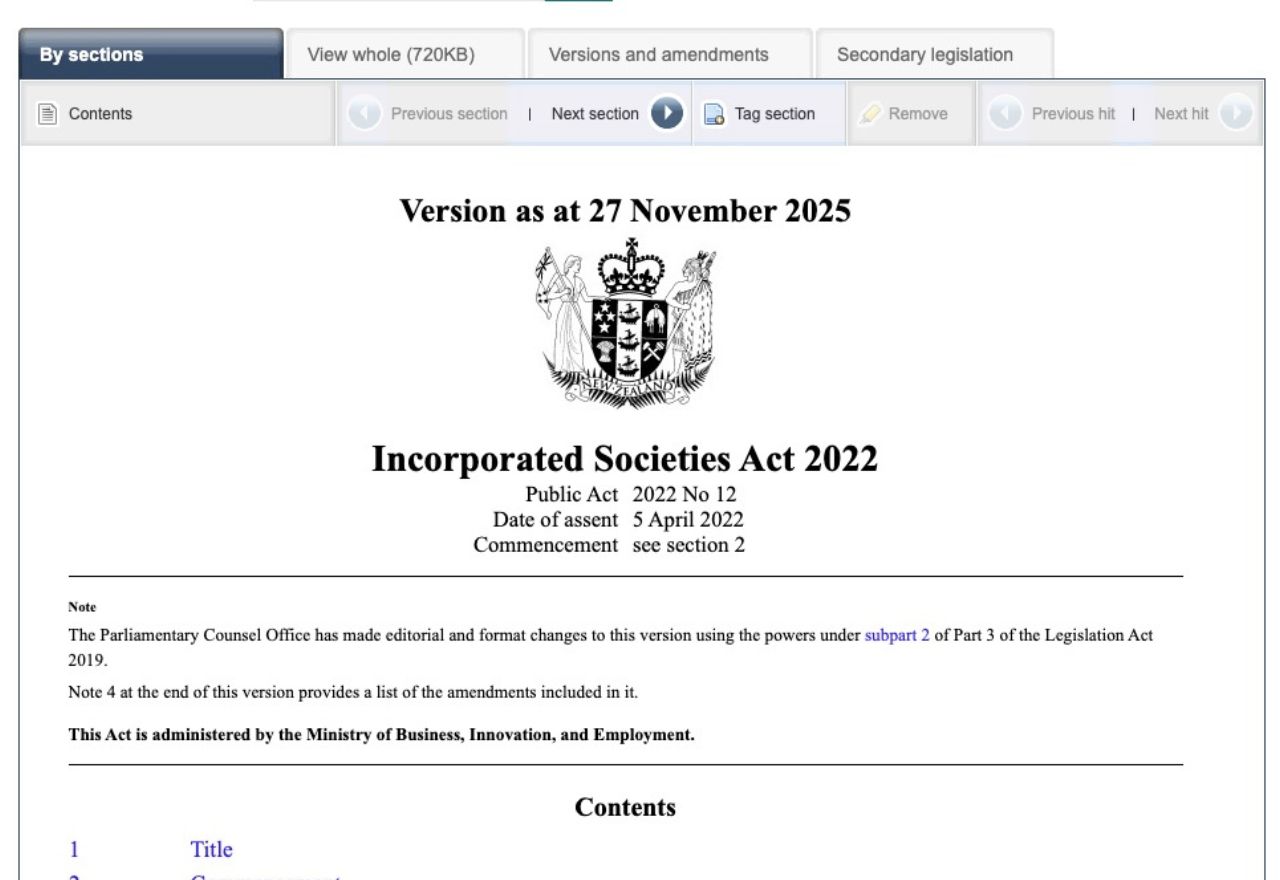
Potentially hundreds of local clubs and community groups operating as incorporated societies could be struck off the register in coming weeks if they fail to meet new legal requirements.Figures provided by the Ministry of Business, Innovation and Employment show 254 incorporated societies with registered office addresses across Central Otago and Queenstown Lakes have yet to re-register under the Incorporated Societies Act 2022.However, the ministry said it could not provide figures specific to the Central Otago district alone, with postcode data used as a proxy covering both districts.James Betton, the acting national manager of business registries, said incorporated societies have been aware of the need to reregister for nearly three years.“During this time, the Companies Office has run an extensive information and education campaign and has developed many useful resources to assist with the reregistration process,” James said.More recently, staff have been contacting society officers directly to clue them up to the changes.Those still waiting to re-register have until April 5 to get the job, after which their club or group would cease to officially exist.But there is a reprieve.James said societies will be able to apply for restoration and registration under the 2022 Act for a period of six years.“Website content is being prepared to assist societies that are removed after the deadline to assist those that wish to be restored and registered under the 2022 Act,” he said.The revamped legislation replaces rules that were more than 100 years old.“The outdated 1908 Act has been replaced by modern legislation that strengthens governance and enhances protections for members, officers, and society assets,” James said.Societies must update their constitution to meet the new legal and governance standards introduced by the 2022 Act.Have a story to share or comment to make? Contact [email protected]

Major bank cuts home loan rates

21 February 2026, 4:56 PM

Westpac says it is cutting its three-, four- and five-year home loan rates.It is the first bank to move after the latest official cash rate (OCR) announcement.The Reserve Bank indicated it expected to raise interest rates a little faster and earlier than previously forecast - but not as quickly as markets had priced in.Wholesale markets fell as a result.Commentators said it could be good news for borrowers and should mean a temporary end to the increases in home loan rates seen in recent weeks.Westpac said it would cut its three-year special to 4.99 percent, which it said was the only three-year rate below 5 percent at the main banks.The four- and five-year rates will drop by 20 basis points to 5.19 percent and 5.29 percent respectively.Meanwhile, ASB economists say borrowers need to work out the best strategies for their circumstances in the current environment."With so much going on, it is an important time to have a mortgage plan."They said shorter-term rates were now down the most compared to their peaks. Floating, six-month and one-year terms are all 2.9 percent from the highest point.Senior economist Chris Tennent-Brown said the message for borrowers was that rate were likely to rise over the next few years."The timing of when they'll go up is the uncertain bit and that just depends on if inflation cools quick enough for the Reserve Bank to be comfortable on the sidelines for this year or they need to act earlier or swifter than their forecasts imply."It has tended to be the case that a series of one-year fixes has proved cheapest overall, over time.Tennent-Brown said whether that continued would depend on whether inflation and the economy turned out to be stronger than expedited."There's still a lot of value in strategies like splitting mortgages over one, two and three years."It still comes back to that story of balancing up people's needs for certainty because you can get a lot of certainty now for historically low prices."We don't expect one-year mortgages will get up to the levels that the four- and five-year mortgages are unless inflation turns out to be a much bigger problem than we're currently thinking."He said one- and two-year rates had historically been where banks were most competitive."It looks like it'll be the place to be, but I don't want to discount the certainty you get if inflation turns out to be more persistent than the current thinking is, for some of the longer-term rates."He said he expected one-year rates to get into the early 5 percent range and two-year rates to go a little higher."Clearly the low point in rates is at best here and likely behind us. So you just need to work out, what are your needs for flexibility and what are the big risks for you? If I had a lot of debt and I couldn't deal with rates getting too much higher, there's a lot of value in those longer-term rates."If I need flexibility, the part of the curve around the one-year space has worked incredibly well for years and based on our forecasts should be okay, but it doesn't give you much protection if inflation and higher interest rates turn out to be on the horizon."

One in four votes ahead of candidate meet-and-greet

20 February 2026, 5:00 PM

A little more than a quarter of eligible Vincent ward voters have returned their ballot papers ahead of a meet-the-candidates event in Alexandra today. Some 2,103 voting papers had been received as of Friday, representing a 25.29 per cent return rate.Voters have 10 more days to have their say in the by-election, which comes just months after ballots were last posted in October's local government elections.Returning officer Anthony Morton said votes could only be counted if they were received by the midday deadline on Tuesday March 3.He said voters still had time to return completed papers by mail, but Tuesday February 24 was the recommended final day to do so.From February 25, voters were advised to use one of the council’s branded orange voting bins, he said.Those bins were located at the Alexandra Service Centre on Dunorling Street, the council-owned Alexandra Library, Alexandra New World, Alexandra Woolworths, Clyde Night ’n Day and the Omakau supermarket.Anthony said similar bins were used during the October elections and were well supported.“Council received good feedback on the voting bin locations...and they were well used,” he said.“Electors appreciated an alternative return option to the mail network, especially over the closing week. We expect a similar level of use for the current by-election.”Vincent ward by-election candidate Andrew Dowling says his campaign t-shirt is a conversation starter. Image: SuppliedA meet-the-candidates event organised by Grey Power is being held today from 1.30pm to 3.45pm at the Alexandra District Club.A second event, a breakfast meeting hosted by the Elevate Central business group is scheduled for 7am on Friday February 27. An RSVP is required.First-time candidate Andrew Dowling said it felt a bit unusual campaigning so soon after an election cycle, but he had been out and about meeting residents across the ward and encouraging people to vote regardless.“I’m having a great time meeting people and chatting away, learning as much about them as they are about me,” Andrew said.He said the proposed Santana gold mine had been a frequent topic of conversation on the campaign trail.“It’s great to see the depth of resolve people have to see our region prosper into the future, but with safeguards,” he said.He encouraged voters not to put their ballot papers aside.“Many have voted already, which is great. I hope the others don’t find the envelope on the coffee table mid-March,” he said.Candidate Louise van der Voort, who narrowly missed out on election to the council in October, said people seemed really interested in the by-election."I think that's because affordability is a big issue for many households, and there are so many changes happening through government reform that will potentially affect people having a say about costs, delivery of services and the shaping of the future of Central Otago," she said."That's why people should exercise their vote and make sure they are well represented to get the best outcomes for Vincent."Candidate Nat Jamieson was also approached for comment but did not respond by deadline.Read more: Catch up on The Central App’s Q and A with all three candidatesWatch here: Candidate videosHave a story to share or comment to make? Contact [email protected]

Old site or new? Council weighs options for Roxburgh rebuild

19 February 2026, 5:00 PM

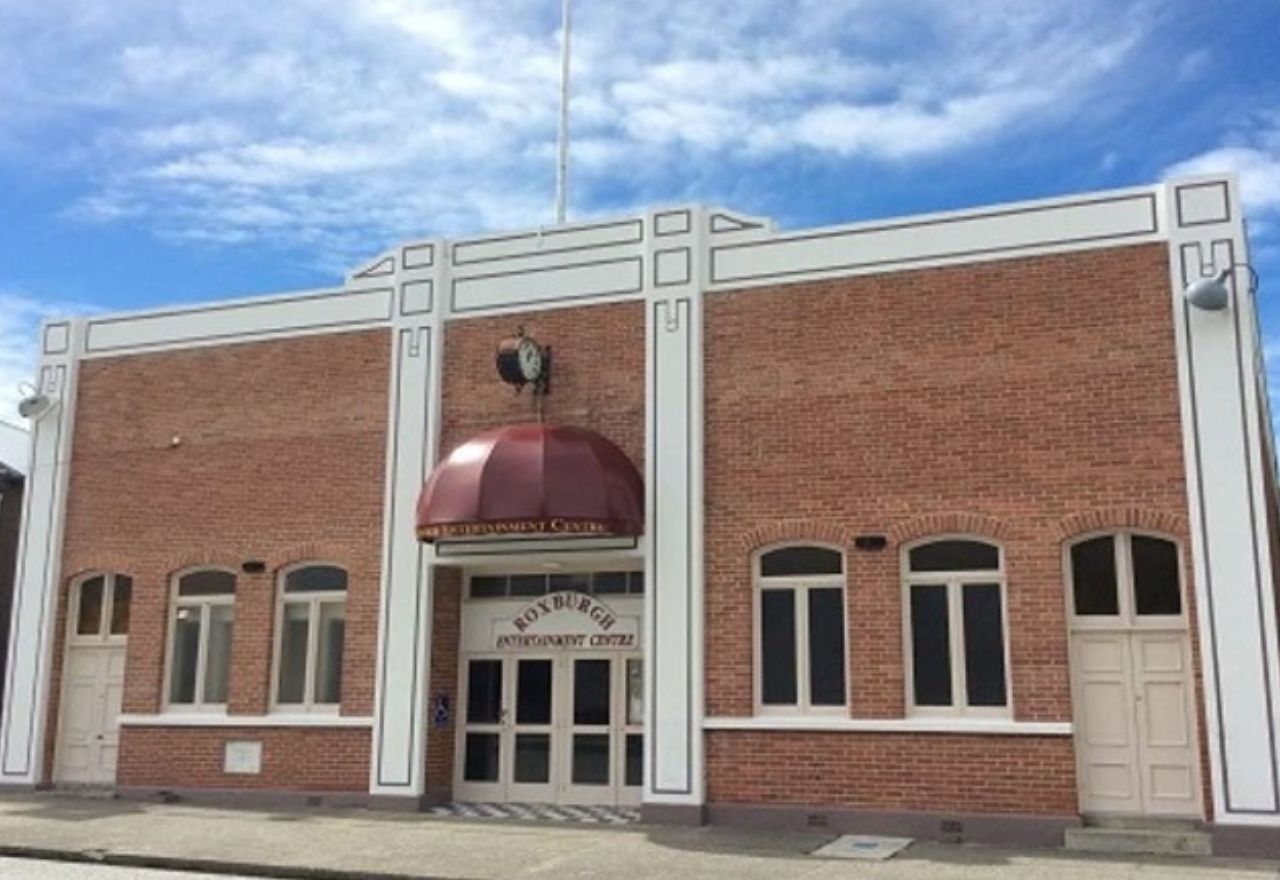
Central Otago District Council will assess the pros and cons of two possible sites for a replacement Roxburgh Entertainment Centre, more than a year after the building was destroyed by fire. The first is the Scotland St property the former building stood on, while the second is, for now, unknown, but put forward as an option by a member of the Teviot Valley community.CODC community experience group manager David Scoones said the council would only consider options submitted through a request for proposal (RFP) process.That process closed last week, with one alternative site put forward.“The exploration of alternative locations was initiated by members of the Teviot community, not by council staff,” David said.“Only one alternative site proposal was received from the RFP, which will be assessed alongside the existing site as part of the formal process.”Council staff will now prepare a report for the Teviot Valley Community Board and full council to consider at meetings in March.Until then, the location of the alternative site has not been made public.“The report will become publicly available when the agenda for those meetings are released,” David said.“Until then, no additional information can be provided.”David said the site investigation would assess the advantages and disadvantages of each location, including timeframes, costs, and overall benefits to the community.“The assessment will also consider any relevant goals and aspirations outlined in the Draft Teviot Valley Community Plan,” he said.The Roxburgh Entertainment Centre was destroyed by fire on Waitangi Day 2025.The former site, on Scotland St, has been cleared and remains vacant.In documents supporting the RFP, the council said the process was intended to invite alternative sites that community members believed should be considered alongside the Scotland St location.The project steering group and Teviot Valley Community Board previously sought approval to widen the project scope to allow consideration of alternative sites.That change was approved by the council in December, despite early opposition from some in the Teviot Valley.Elected members said at the time thorough due diligence was needed to ensure any rebuilt facility was future-proofed and aligned with community needs and aspirations over the next 50 to 100 years.Read more: Council approves Roxburgh site investigation after push to stay put and Teviot Valley resident questions council poll on Roxburgh hall rebuildHave a story to share or comment to make? Contact [email protected]

Central Otago backs risk-based approach to quake-prone buildings

18 February 2026, 5:00 PM

Central Otago District Council (CODC) is backing proposed changes to national rules for earthquake-prone buildings, saying a risk-based approach would protect public safety without forcing small communities to lose beloved buildings they cannot afford to upgrade. In a submission lodged on the Building (Earthquake-prone Buildings) Amendment Bill, the council said the changes on the table could significantly reduce costs for districts like Central Otago, where the council owns 15 earthquake-prone buildings, all of them historic.The council said earthquake-strengthening costs under current settings would run into the millions for buildings that sit at the heart of rural communities, placing a huge burden on a small ratepayer base."These historic buildings deeply connect to the district’s identity. They reflect the regions gold-mining origins, resilient early communities, and the distinct way of life shaped by the climate, landscape, and cultural traditions," the submission said.Mayor Tamah Alley said the council supported the move to a risk-based approach.“A risk-based approach allows us to focus our resources where they are needed most, ensuring public safety while recognising the significant financial impact current settings have on small communities like ours,” she said.“We are committed to protecting both our people and our heritage buildings in a way that is practical, proportionate, and sustainable."The council said its earthquake-prone buildings ranged in age from 50 to 158 years old, with many performing poorly against modern building standards due to their age and original construction methods.The oldest, the Naseby Town Hall, was built in 1868 - just 26 years after the signing of the Treaty of Waitangi.Central Otago covers nearly 10,000 square kilometres but has approximately 25,500 residents and 15,500 ratepaying units, which the council said created “a significant funding and financing challenge” under current earthquake-strengthening requirements.CODC’s 2025-2037 Long Term Plan has budgeted $8.6M for earthquake strengthening across 11 buildings it plans to retain.If four buildings earmarked for potential divestment were also kept, costs would rise by $2–3M.“This would represent a spend in excess of $555 per ratepaying unit for the 11 to be retained; or almost $700 for all 15,” the submission said.The proposed legislative changes would allow the council to prioritise work on the highest-risk parts of buildings rather than requiring full upgrades to modern standards.The submission also highlighted strong community support for retaining council-owned halls and facilities.During consultation on the Long Term Plan last year, 650 submissions were received on the future of earthquake-prone buildings, with 85.8 per cent supporting retaining some or all of them.Public submissions on the bill closed on Monday (February 16), with a report due to the Transport and Infrastructure Select Committee later this year.Read more: Council weighs impact of new quake rules on local halls and assetsHave a story to share or comment to make? Contact [email protected]

Community transport initiatives being explored across Central

18 February 2026, 4:45 PM

An overwhelming 92% of submissions on the Otago Regional Council Public Transport Plan (2025-35) said more support should be given to community transport initiatives.At a recent workshop, regional councillors heard from staff about the work being done across the district over the past year, to address the issues.A student researcher has been investigating the different types of transport options currently being offered across the region, including community initiatives such as St John, Red Cross, Presbyterian Support and the RSA - often run by volunteers.There are currently between 15 and 20 different organisations providing transport assistance - mostly for health care and community engagement in the region.Originally there were plans to trial assisting commuters living in Alexandra and Cromwell that work in Queenstown, given the high volume of traffic across the district.But it was downscaled back to just an investigation in 2025 due to government co-funding constraints.Cr Neil Gillespie asked whether there was a role for the ORC to support the community groups, as it appeared there was some duplication of the same services.“I’m not convinced that we are well connected and co-ordinated.”Research has shown that public bus services between Cromwell-Alexandra and Alexandra-Wanaka are well utilised. Image: suppliedStaff confirmed many of the groups worked in isolation with limited funding and volunteers, and provided some examples of other areas such as Canterbury where local government funding support models have worked well.A Community Vehicle Trust was one option where the existing volunteer model could move from being wholly community owned to having financial assistance from the ORC as a subsidised service.ORC staff will prepare a paper for the March regional council meeting, for councillors to look at some of the options, including a dedicated resource such as a community transport advisor to engage with the groups.A core aspiration for the council's involvement is to be an enabler for community groups, rather than becoming a direct service provider.Have a story to share or comment to make? Contact [email protected]

Santana Minerals secures A$130M for Bendigo-Ophir gold mine

17 February 2026, 5:00 PM

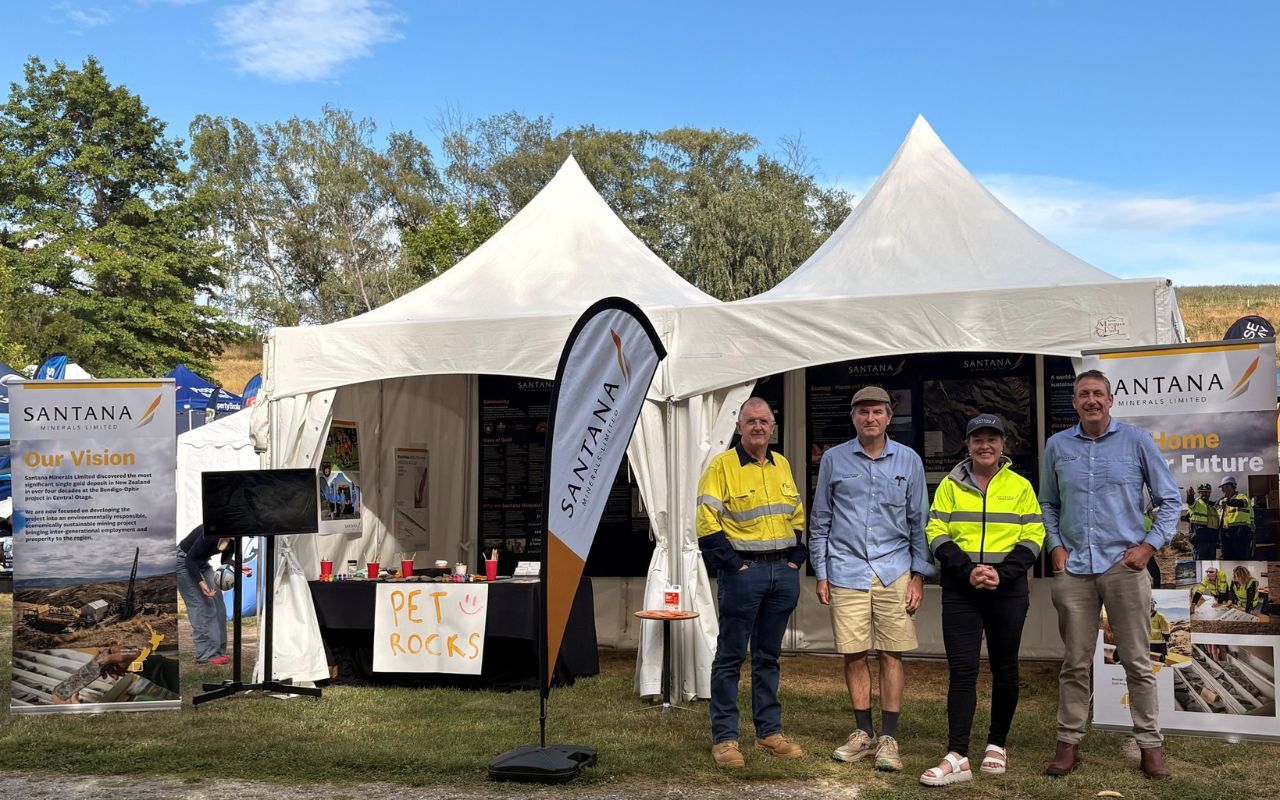
The developer of the proposed Bendigo-Ophir gold project has secured the massive financial backing required to move from exploration to construction.In a statement to the ASX and NZX on Tuesday, Santana Minerals confirmed it has received "firm commitments" to raise A$130M (approx. NZ$152.1M) from "institutional and sophisticated investors".The company emerged from a trading halt following the announcement.Chief executive Damian Spring said the funds will "accelerate our pathway to production" by paying for early civil infrastructure works and placing deposits on major equipment.According to the market update, the move is designed to ensure the company can begin work immediately if final resource consents are granted.In a boost for local shareholders, the company's announcement also detailed a share purchase plan.This allows existing investors in New Zealand and Australia to apply for up to A$24,948 (approx. NZ$29,200) worth of new shares at the same discounted price of A$0.90 (approx. NZ$1.05) offered to the large institutions.Alongside the financial manoeuvres, the local conversation remains active.Santana Minerals reported plenty of interest at the Central Otago A&P Show on Saturday, saying close to 200 people dropped by their tent.According to a post on the company’s Facebook page, the most common question from locals was, “So… when do you start digging?”.The company said their youngest visitors included a "sharp group of students from Poolburn School" who are already shareholders."People came with real curiosity and plenty of straight-talk," the post said."Some raised concerns, many shared encouragement."Sustainable Tarras shares a video message from former prime minister Helen Clark. Image: Screengrab/FacebookHowever, the opposition is also ramping up its profile.Community group Sustainable Tarras shared a video to their Facebook page this week featuring former prime minister Helen Clark, who urged those concerned about the environmental impact of the mine to add their voices to collective opposition."Speak up. Spupport those who are asking for proper consideration to be given to future planning, the environment, communities and iwi," she said in the video."Let us all help shape the future of the country we love with proper care and attention. We are its guardians."The latest developments come just days after reports of escalating tension in the community, including claims of online abuse directed at those publicly opposing the project, which is being considered under a fast-track consenting pathway.The expert panel appointed to decide the mine's fate is officially scheduled to begin its work next week, which will mark the start of a 140-working-day timeframe, with a final decision required by October 29.Read more: Santana mine to face 140-day fast-track assessment and Claims of threatening behaviour escalate mine tensionsHave a story to share or comment to make? Contact [email protected]

Higher KiwiSaver contributions: A small change with a big payoff (sponsored)

17 February 2026, 2:09 PM

Understanding the Upcoming Changes and Their Impact on Retirement SavingsNew Zealanders will soon see changes to KiwiSaver contribution rates, affecting both employees and employers.With the country’s population structure evolving, these adjustments aim to encourage greater personal savings for retirement.Here’s what you need to know about the upcoming increases and their implications.Key Changes to KiwiSaver Contribution RatesThe minimum KiwiSaver contribution rates are set to rise in two stages:From 1 April 2026: Minimum employee and employer contributions will increase to 3.5% each.From 1 April 2028: Minimum employee and employer contributions will further increase to 4% each.These adjustments apply to all employees and employers currently making compulsory minimum contributions. For official details, visit Inland Revenue or MBIE.Why the Changes Are ImportantNew Zealand is experiencing significant demographic shifts. Research by Professor Paul Spoonley highlights a rapidly growing population aged 65 and older, declining birth rates, and a decreasing ratio of working-age people to retirees.These factors put pressure on public retirement systems and make personal savings more crucial than ever.What Employees and Employers Should ExpectEmployees contributing at the minimum rate will see their KiwiSaver deductions increase in 2026 and again in 2028, boosting their long-term savings.Employers will need to update payroll systems and adjust budgets to meet the new contribution requirements.Illustrative Impact: Comparing Contribution RatesConsider a 35‑year‑old earning $100,000 per year and starting with a KiwiSaver balance of $20,000. Contributing at the current minimum of 3% (employee) and 3% (employer) could see their balance grow significantly over time, assuming steady contributions and long‑term investment returns. Increasing contributions to 4% each could boost the projected retirement balance by around 25–30% over the same period. These figures are indicative only; actual outcomes depend on investment returns, fees, taxes, salary growth, fund selection, and time in the market.The Power of Small IncreasesEven modest increases in contribution rates can significantly impact retirement savings due to the effect of compounding.As employer contributions rise, additional savings accumulate over decades, becoming especially important amid New Zealand’s demographic challenges.Need Personalised Advice?If you’re unsure how these changes may affect your retirement plans, Central Financial Planning’s experienced team can help. They offer guidance on contribution options, model retirement scenarios, and support informed decision-making.Contact Central Financial Planning:📞 Phone: 03 448 8613📧 Email: [email protected]🌐 Website: www.centralfp.co.nz

Central cherries go electric to Parliament

16 February 2026, 5:00 PM

For the third season running, Central Otago orchardist Mike Casey has delivered a two-kilogram box of cherries to every Member of Parliament, but last week’s drop-off marked the first time the fruit arrived on Parliament’s forecourt in a fully electric truck.Mike said Ross Linton, from trucking firm Etruck, “came to the party”.The truck collected the cherries from the Mt Pisa orchard, stopped for “a cheeky charge” in Christchurch, then continued to Picton and across Cook Strait.“The ferry was the only fossil fuels that were involved,” Mike said.His goal for next year is to see the cherries cross the strait on an electric ferry.“Then it will be a fully electric cherry migration the whole way,” he said.Mike said the arrival drew plenty of interest from MPs, with many coming outside to greet the delivery, climb into the truck and talk with those involved.Oppositon leader Chris Hipkins and the electric delivery truck. Image: FacebookHe acknowledged the annual stunt raised eyebrows.“People come up and ask, ‘Are you bribing politicians?’ And my answer to that is, well, I’m bribing them all equally,” he said.Each box was worth close to $90.But Mike said the cherries were less about currying favour and more about opening a cross-party conversation on electrification.“I want it to not be a political hot potato, because I genuinely believe, no matter what side of politics you’re on, electrification is good for the country,” he said.“From an energy sovereignty, an energy security, an economic and a climate perspective, everybody wins.”Mike said National MP and deputy speaker of the House Barbara Kuriger played a key role in helping get the electric truck onto the parliamentary forecourt.Security had been “pretty nervous” about vehicles entering the precinct after recent protests and stunts, and Barbara helped “convince Gerry Brownlee” to allow the electric truck through.Cromwell orchardist Mike Casey and National MP Barbara Kuriger, wearing a cherry-themed dress. Image: FacebookMike said he first met the MP at a farmers’ event in Taranaki, where he was speaking about electrification.After he outlined his plan to deliver the cherries to MPs, “she was fully on board with it”, and later turned up on the day in “cherry shoes and a cherry dress and cherry earrings” to welcome the truck.He said the annual cherry drop had also become a way to put Central Otago front and centre for Wellington decision-makers, alongside larger horticulture regions."The Hawke's Bay, when it comes to apples, is a bigger line item on a spreadsheet," he said.“One of the unintended benefits of doing this is that I’m also representing Central Otago and our fruit growers.“It’s really good to get in there and show them what’s going on.”Have a story to share or comment to make? Contact [email protected]

The hidden cost of “Free”: Why we’re losing our volunteers (sponsored)

14 February 2026, 3:31 PM

We’ve all heard the phrase: “Volunteers aren’t paid, not because they are worthless, but because they are priceless.”It’s a beautiful sentiment - perfect for a greeting card.But lately, I’ve been thinking about the gap between that quote and the reality on the ground.As someone who runs a communications business and also volunteers across several organisations, I’ve seen behind the curtain of our not-for-profit world. And here’s the uncomfortable truth:Many organisations are treating their most valuable asset (people) with a level of neglect that would bankrupt a private business.The “Employee” mindset we’re missingThere’s a common misconception that because no money changes hands, the normal rules of management don’t apply.They absolutely do.While volunteers don’t receive a pay cheque, they should be treated with the same professional clarity and respect as employees.That means:Clarity of RoleThey need to know exactly what’s expected of them — not just “help out where you can.”Consistent SupportThey shouldn’t be left to “figure it out” because they’re doing it for free.Safety and StandardsThe same culture, communication, and protection rules apply. Always.If your organisation would never treat a paid staff member a certain way, why is it acceptable for a volunteer?The Christmas SilenceLet’s address the elephant in the room: gratitude.This past holiday season, I sat back and waited. I volunteer professional-level hours for multiple organisations.The result?Silence.Not a text.Not a “Happy Holidays” email.Certainly not a small token of appreciation.In the corporate world, we have Christmas functions, bonuses, or at the very least a card from the CEO. In the volunteer world? Often just a “see you in January.”When an organisation receives thousands of hours of free labour, failing to acknowledge that contribution isn’t just a social oversight.It’s bad leadership.Why the Well is Running DryEverywhere I turn, I hear the same concern:“It’s so hard to find volunteers these days.”Before we blame busy schedules or “the younger generation,” we need to look in the mirror.If you treat people like they are disposable because they are free, eventually they will dispose of the commitment.People volunteer to make a difference. They stay because they feel seen, supported and valued.If the only time a volunteer hears from you is when you need a shift filled, you’re not building community, you’re managing a transaction.And transactions don’t build loyalty.The Bottom LineVolunteers are not “extra.” They are infrastructure.If we want strong clubs, boards, community trusts and events in Central Otago, we need to treat our volunteers with the same professionalism we expect in our businesses.A little gratitude goes a long way.But a total lack of it goes even further, straight out the door.Let’s do better.If you’d like my “Volunteer Value” Checklist - a simple audit to see whether your organisation is truly supporting its volunteer team - click here and I’ll send it to you free of charge.All I ask is that you acknowledge the free support and say thanks.Because appreciation?It costs nothing, and it changes everything.Sponsored Content: This article has been submitted by a contributing local expert as part of The Central App’s sponsored advisor programme.

Claims of threatening behaviour escalate mine tensions

13 February 2026, 5:05 PM

Tensions around a fast-tracked gold mine proposal in the hills above Cromwell have escalated this week, with opponents of the project alleging threatening behaviour and multiple groups linked to the debate publicly calling for online conduct to remain civil.Mine opposition group Sustainable Tarras said some of its members and individuals publicly opposing the mine had been subjected to “serious threats against them and their property”.“This absolutely crosses the line of what’s acceptable,” the group said in a Facebook post on Thursday.The group said it had written to Santana Minerals asking it to take action and would also respond directly, “including alerting the police, and publicly identifying anyone who does this”.Santana Minerals rejected any suggestion it was involved in threatening or abusive behaviour.In a Facebook post in response, the company said claims it was behind online abuse were “serious, and they are false”.“We do not control independent forums or what people say online,” the company said.“We do have zero tolerance for threats. Zero tolerance for intimidation. Anyone crossing that line does not speak for us.”Santana Minerals declined to provide further comment when contacted.Administrators of a pro-mining Facebook page that has grown rapidly in recent weeks also issued warnings to members.In a post by an administrator, the page said: “No threats to anyone please…There’s a time & a place & this isn’t it.”One of the page founders, Bill Sanders, said content would be removed if it crossed the line.“What I’m very concerned about is accusations of threats,” he wrote.“If anything is mentioned on this page that is over the top it will be deleted…We have zero tolerance for bad behaviour.”Meanwhile, Official Information Act documents released by Land Information New Zealand show an Auckland law firm acting for an unnamed New Zealand buyer has challenged Santana Mineral’s proposed acquisition of farmland at Ardgour Station.They allege their client was not given first opportunity to purchase the land, as required under rules for the sale of land to overseas buyers.In correspondence to the Overseas Investment Office, the firm described its client as having “a high degree of interest in purchasing Ardgour Station”, and as “a credible purchaser” with “funds readily available to complete the purchase”.It said its client first became aware the property was for sale through a Trade Me listing in September 2025, about two months after Santana Minerals announced it had entered into an agreement to purchase the station.The firm said its client contacted the agent listed on the advertisement seeking further information, but that information was not provided.The Bendigo-Ophir gold mine application, lodged by Matakanui Gold Ltd, a wholly owned subsidiary of Santana Minerals, is being assessed under the government’s Fast-Track Approvals Act.Earlier this month, a seven-member expert panel was confirmed to consider the application and a 140-working-day assessment period set, with a final decision due by October 29.Read more: Santana mine to face 140-day fast-track assessmentHave a story to share or comment to make? Contact [email protected]

Tourist arrivals top 3.5 million for first time since Covid-19 pandemic

13 February 2026, 4:13 PM

Tourist arrivals topped 3.5 million for the first time since the Covid-19 pandemic, driven by a surge in Australian visitors.Stats NZ numbers showed overseas visitor arrivals hit 3.51 million in the year ended December 2025, up 6 percent from the prior year.The agency said it was the first annual period to exceed 3.5 million since the year ended March 2020.However, total annual visitor arrivals were 90 percent of 2019 levels, before the Covid pandemic began globally.It said Australia was the biggest source of visitors, up 10 percent from 2024, followed by the United States and China.More than 1.5 million tourist arrivals were from Australia in 2025, followed by 385,000 from the United States, and 262,000 from China."Holidaymakers were the main driver of the annual increase in overseas visitor arrivals in 2025 from 2024, followed by those visiting friends or relatives," Stats NZ international travel spokesperson Bryan Downes said.Visiting friends or relatives was the second most common reason for travel, Stats NZ said."The increase in overseas visitors to New Zealand in 2025 coincided with a 4 percent increase in flights into the country compared with 2024," Downes said.The country's two main international airports both reported additional seasonal flights for the peak summer period for tourism in New Zealand.Auckland Airport, the main gateway for overseas visitors, said in December that international capacity for the 2025/26 summer was up nearly 4 percent (207,000 seats) on the 2024/25 period.Christchurch Airport said in November it expected a record summer season in 2025/26, with international capacity up 15 percent on the prior year.

The race for Vincent: Your candidates, their words

10 February 2026, 5:01 PM

Voters in the Vincent ward will head to the polls following the resignation of newly elected councillor Dave McKenzie in October.The by-election will determine a new representative on the district council, with three candidates standing for this role.As part of our election coverage, we have put four questions to each candidate, covering key issues facing the ward and the wider district.All candidates were given the same questions, a 200-word word limit for each response, and the same deadline.Their answers will be published over the next two weeks, in their own words, to allow voters to compare the candidates’ positions directly.The series concludes today with a question focused on must-haves versus nice-to-haves when spending ratepayer dollars.Public consultation often results in a wide range of opinions. When the community is divided, how do you decide which way to vote? Will you always stick to the majority view, or are you prepared to make an unpopular decision if you believe it’s in the district’s best long-term interest?Andrew DowlingI listen to all points of view and then weigh up the pros and cons of each. From this I can then make the best decisions.At a governance level you are often privy to information that is not for the general public, this is a privilege and a responsibility. The responsibility is to use that information wisely to make the best decision for the region.I feel that division comes more from people not feeling listened to or having only one side of the story, rather than extreme views. We are a democracy. This gives you the right to have a view point and also the safety to be able to express it. We need people to tell us what they think, preferably before a decision is made rather than after!I’ll be making decisions that best suit our district and be prepared to explain my position.(I hope those who make all the noise also take the responsibility to vote!)Nat JamiesonPublic consultation is essential, not because it produces a single 'right' answer, but because it helps decision-makers understand the impacts, concerns, and trade-offs different people are facing. When opinions are divided, I would look carefully at who is affected, how strongly views are held, and what the long-term consequences of each option might be.I don’t believe a councillor’s role is simply to count hands and follow the majority every time. My responsibility would be to weigh community feedback alongside evidence, cost, risk, and long-term outcomes for the whole district. If the majority view aligns with what is sustainable and fair in the long run, I would support it. But if I genuinely believed an alternative decision better protected the district’s future, I would be prepared to make that call - even if it was unpopular - provided I could clearly explain my reasoning and remain accountable to the community.Louise van der VoortCommunity consultation is an important part of good decision making, but it is not the only thing councillors must consider. Consultation helps decision-makers understand community sentiment, surface local knowledge, and identify issues or perspectives that may not otherwise be obvious. It also provides an opportunity for questions, challenge, and debate, all of which strengthen decisions.However, many council decisions are complex and highly technical, involving legislation, long-term financial implications, risk management, and specialist advice. In these cases, decisions cannot be based solely on the volume of submissions received, particularly where participation levels are low or where the issues require a detailed understanding of regulatory or infrastructure systems.My approach would be to enter every decision with an open mind, not predetermined, and to carefully weigh all available information: technical advice, legal and financial considerations, and community feedback. Consultation is not a referendum, but one part of a broader responsibility to act in the district’s best long-term interests.There will be times when leadership requires supporting the majority view, and times when it means making a difficult or unpopular decision. I am prepared to do both, provided decisions are well-informed, transparent, and clearly explained to the community.Important dates for the Vincent by-election: Voting opens: Voting papers will be sent to eligible voters from Friday January 30Voting closes: Midday on Tuesday March 3Read more: Why should the community trust you to represent them, and what does 'transparency' look like to you in practice? - here How will you ensure this ward’s voice is heard while still making responsible decisions for the region as a whole? - here What do you consider a 'must-have' that you would protect at all costs, and what is one 'nice-to-have' service or asset you would be willing to cut or defer to keep rates affordable? - hereWatch here: Candidate videosHave a story to share or comment to make? Contact [email protected]

The race for Vincent: Your candidates, their words

10 February 2026, 5:00 PM

Voters in the Vincent ward will head to the polls following the resignation of newly elected councillor Dave McKenzie in October.The by-election will determine a new representative on the district council, with three candidates standing for this role.As part of our election coverage, we have put four questions to each candidate, covering key issues facing the ward and the wider district.All candidates were given the same questions, a 200-word word limit for each response, and the same deadline.Their answers will be published over the next two weeks, in their own words, to allow voters to compare the candidates’ positions directly.The series continues today with a question focused on the tension between district responsibilities and ward expectations.As a Vincent ward councillor, you’ll face a balancing act between local needs and the wider district’s goals. How will you ensure this ward’s voice is heard while still making responsible decisions for the region as a whole? Louise van der VoortLocal voice matters. Vincent has its own character, priorities, and challenges, and it is essential these are clearly understood and represented at the council table. Strong connections with the community are key to making sure local perspectives are heard and inform decision-making.Council’s role is to set clear strategic direction that delivers long-term outcomes for the district while allowing for local context. When this is done well, what benefits Vincent also strengthens Central Otago as a whole.If elected as a Vincent ward councillor, I will be required under the Local Government Act to serve the best interests of the district through the formal declaration of office. My responsibility will be to serve both the people of Vincent and the wider Central Otago district. Good decisions must always be made with the whole district in mind, ensuring delivery of services is fair, affordable, and equitable across our communities.With ongoing government reforms, it is more important than ever that Central Otago, and Vincent ward is not overlooked. I will advocate constructively, stay connected to the community, and bring a district-wide lens to every decision, ensuring Vincent’s voice is heard while acting responsibly for the region’s future.Andrew DowlingThis position represents the Vincent ward, so that would be my priority. I will also be responsible for getting information back to the ward members to make sure they can make informed opinions or understand why decisions have been made that may not have fallen in their favour.I’ll be putting up the best arguments to make sure Vincent ward needs and requests get considered, as I expect councillors from other wards to also be doing.Our ward is strong when the CODC district is strong. When it comes to those wider issues, like water management, we need to work together to get the best outcomes for CODC.Nat JamiesonAs a new councillor, my first responsibility is to listen. I want to be visible, accessible, and actively involved in the Vincent ward so people know their concerns are being heard and taken seriously. That means regular conversations with residents, community groups, and local businesses, not just during election time but throughout the term.At the same time, I understand that every decision affects the wider district, and I’m committed to looking at the bigger picture when it comes to long-term planning, budgets, and infrastructure. I believe you can advocate strongly for your local community while still making fair, responsible decisions for the whole region by being well-informed, open-minded, and willing to work with other councillors.My goal is to bring the real, everyday experiences of Vincent ward into the council chamber, while also supporting solutions that benefit Central Otago as a whole.Important dates for the Vincent by-election: Voting opens: Voting papers will be sent to eligible voters from Friday January 30 Voting closes: Midday on Tuesday March 3  Next instalment: Part three will be published on Thursday, focusing on must-haves versus nice-to-haves when spending ratepayer dollarsRead more: Why should the community trust you to represent them, and what does 'transparency' look like to you in practice?Watch here: Candidate videosHave a story to share or comment to make? Contact [email protected]
KiwiSaver: First homes, overseas contributions, and why a Will matters (sponsored)

08 February 2026, 2:57 PM

KiwiSaver is a long-term savings scheme designed to help New Zealanders save for retirement and is generally locked in until you reach age 65, but for many people, it also plays a crucial role much earlier, particularly when buying a first home.Understanding how KiwiSaver can be used, what happens if you work overseas, and how your KiwiSaver is dealt with on death can help you avoid unexpected issues later on.Using KiwiSaver for a First Home DepositIf you are buying your first home, you may be able to withdraw most of your KiwiSaver savings to put towards the purchase.In general, you can apply to withdraw:Your own contributionsEmployer contributionsInvestment returnsGovernment contributions (with some limits – if you worked overseas during the period these were paid, they may need to be repaid to the GovernmentYou must usually leave a minimum balance of $1,000 in your KiwiSaver account.To qualify, you typically need to:Have been a member of KiwiSaver for at least three yearsBe buying your first home (or be treated as a first-home buyer)Intend to live in the property as your main homePurchase a property within relevant price capsApplications must be made through your KiwiSaver provider, and timing is important, as funds are usually released shortly before settlement.KiwiSaver and Death: Why a Will Is ImportantKiwiSaver does not automatically pass to a spouse or partner. Instead, it becomes part of your estate when you die.If your KiwiSaver balance is relatively small, providers may be able to release the funds without probate. However, once a KiwiSaver balance becomes significant (often around $40,000 or more, depending on the provider), probate or letters of administration are usually required before the account can be closed and funds distributed.This means:Delays for your familyDistribution of fund according to the Administration Act 1969 and not how you wishAdditional legal costsMore stress at an already difficult timeHaving a current will in place ensures your KiwiSaver is dealt with in accordance with your wishes and can significantly streamline the process for those you leave behind.How We Can HelpKiwiSaver intersects with property law, estate planning, and relationship property in ways many people don’t anticipate.Our firm has a highly experienced team who can assist with:Advice on KiwiSaver withdrawals for first-home purchasesEstate planning and wills, including how KiwiSaver is treated on deathRelationship property advice where KiwiSaver is part of a separation or a contracting out agreement (pre-nup)Guidance for clients who have worked or lived overseasIf you would like clarity around your KiwiSaver position or want to ensure your affairs are properly structured, get in touch with us today to see how we can help.Sponsored Content: This article has been submitted by a contributing local expert as part of The Central App’s sponsored advisor programme.

Council scores top marks for communication in independent review 

29 January 2026, 5:01 PM

Central Otago District Council has received the highest possible rating for communications and engagement in an independent review, with assessors finding the council is “thriving” in an area where local authorities are often heavily criticised. The result formed part of a Te Korowai independent evaluation report presented at Wednesday’s council meeting, the first full council meeting of the year. Mayor Tamah Alley said the top rating for engagement showed the council was performing strongly on something “that councils as a whole generally cop a lot of flak for”. Te Korowai consultant Mark Abbott said that tension was common across local government. “Quite frankly, I haven’t seen any council over the last decade or decade and a half that scores particularly well with its community in terms of communication, because they’re always expecting something better or something different or something more,” Mark said. The review assessed council performance across four areas: governance and leadership, financial decision-making, and service delivery, as well as communications and engagement. Overall, the council received a rating of Mauri Tū - the second-highest possible result in the programme. CODC staffer Amelia Lines, who presented the report at the meeting, said the overall result showed the council had strong foundations. “It means we have a good foundation to work from as well to improve if we choose to do this again,” Amelia said. Not all councillors supported the review. Maniototo councillor Stu Duncan said he had not supported the decision to undertake the evaluation, suggesting the council had been “pushed into it by some of the ratepayers who were not happy with council performance”. “I felt it was looking for faults, and I feel it’s not there,” Stu said. He said the council was already in a process of continuous change, suggesting the assessment did not alter that trajectory.Mark said the programme was not designed to find fault. “The intention of the programme as it’s currently shaped and framed is very much around development, improvement, and looking for what is positive,” he said. Te Korowai programme manager Elke Thompson said the independent nature of the process helped build trust and transparency. “Through the independent evaluation, it’s not just you singing your praises,” she said. “People can actually see that it was a robust process and that you are doing really well in many, many areas.” Tamah said she hoped members of the public would read the report. “It’s in a format that can be easily digested by our community,” she said. “It’s not full of jargon or confusing graphs or terminology they’re not going to follow.” The Te Korowai evaluation, run by Local Government New Zealand and formerly known as CouncilMARK, was carried out between June and August and included written submissions, interviews, and an in-person assessment by independent evaluators. Councillors voted to receive the report and note its findings.  The next step will be a workshop to develop an action plan addressing areas identified for improvement.The full report is available on the council's website.Have a story to share or comment to make? Contact [email protected]
1-20 of 208