Water testing begins at popular swimming spots

Aimee Wilson
04 December 2025, 4:49 PM
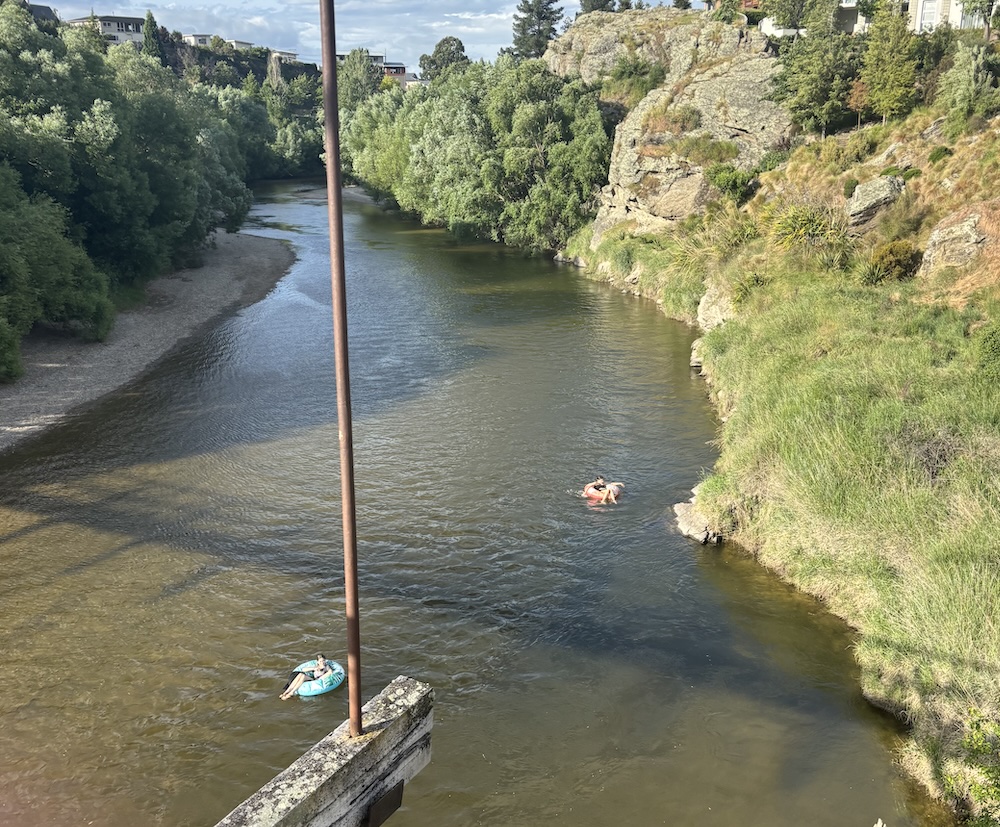 Recreational water users are already starting to enjoy some of the rivers and lakes around the district, including the Manuherikia River. The Central App photo.
Recreational water quality testing across the district has started for the season at 36 popular swimming spots, including Lake Dunstan and the Manuherikia River.
Every summer from December to March 31 Land, Air, Water Aotearoa (LAWA) tests water quality for E.Coli levels and toxic algae at selected river and lake sites.
Last summer, Central Otago lakes and rivers remained generally suitable for swimming, after another successful summer monitoring programme in conjunction with the Otago Regional Council.
The ORC publishes results on its website every week, and a report from water quality scientist, Helen Trotter in mid-2025, said in total the programme collected and analysed more 450 water samples from across all of the sites.
She said high bacteria counts at levels ‘unsuitable for swimming’ were detected at 10 sites during the summer, representing about 3% of all samples collected.
The Shaky Bridge across the Manuherikia River is occasionally unsuitable for swimming, and last summer the Dunorling Street boat ramp in Alexandra had one high level of E.Coli as well - on January 27.
This will be the fourth summer the Clutha River at the boat ramp will be included in the recreational water quality programme.
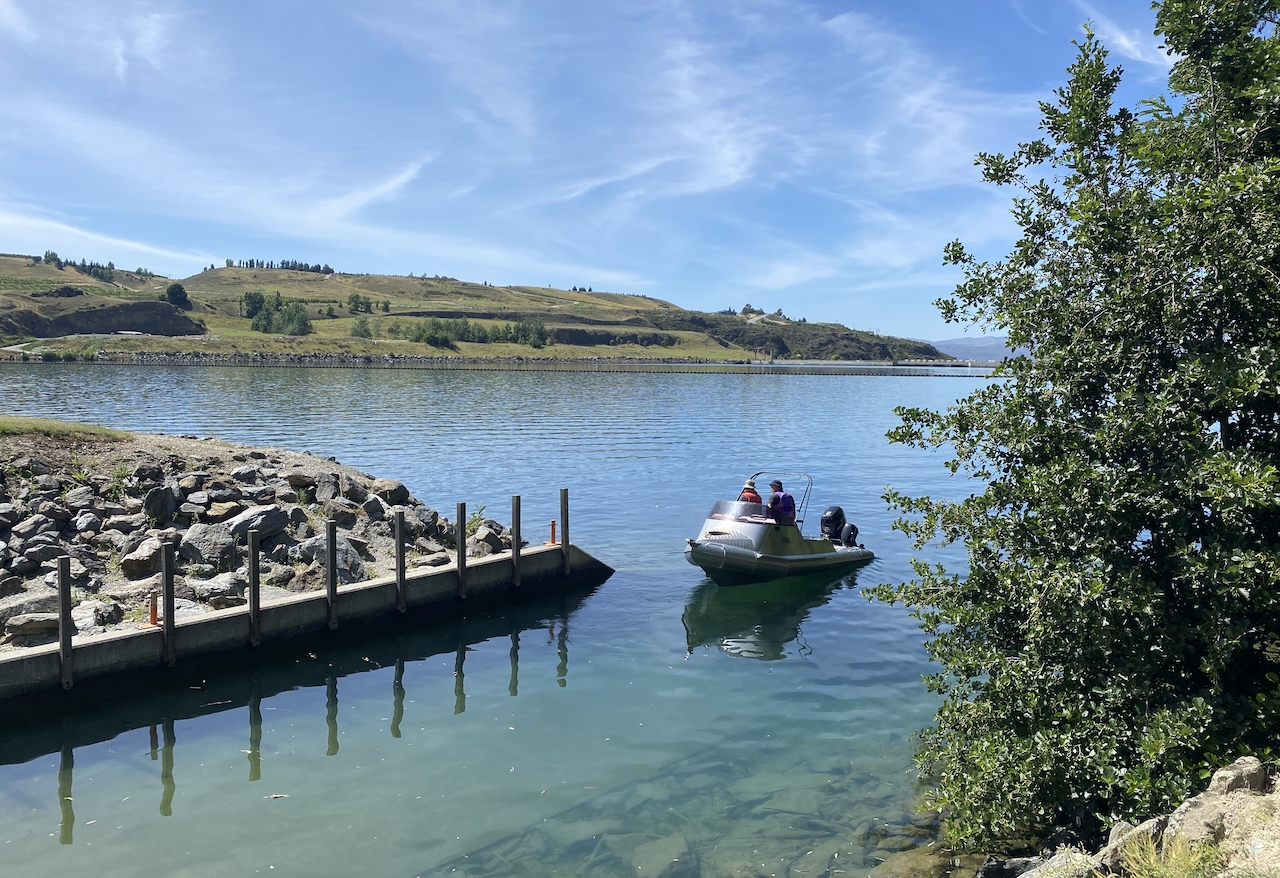
Water quality testing at the Clyde Rowing Club on Lake Dunstan will begin this week, along with Pinders Pond in Roxburgh. File shot.
Toxic algae blooms were identified at three monitored sites including Butchers Dam near Alexandra.
Helen said while no blooms were observed at the monitored river swim sites, toxic algae was confirmed at several other rivers sites across the region and were then listed on the ORC toxic algae notifications webpage.
LAWA published updated water quality results for 3500 rivers, lakes, estuaries and ground water sites in September, showing how waterways have changed over 20 years.
Dr Amanda Valois, LAWA river health science lead and freshwater team leader said, the date released showed many water bodies are under pressure.
“We’re seeing impaired ecological health at two-thirds of monitored sites across New Zealand, along with declines over time in pollution-sensitive aquatic species.”
Faecal contamination remains a challenge with E. coli an issue at two-thirds of monitored river sites, and it was detected at around half of monitored groundwater bores over the past five years.
On the LAWA website, people can explore local rivers, lakes, estuaries or aquifers, and view the state and trends of commonly tracked freshwater health indicators.
More information about recreational water quality can be found at LAWA https://www.lawa.org.nz/explore-data/swimming
Have a story to share or comment to make? Contact [email protected]
NEWS




WHAT'S ON