Property talk: Thinking of a backyard build? (sponsored)

Peter Hishon l Property contributor
03 February 2026, 2:45 PM
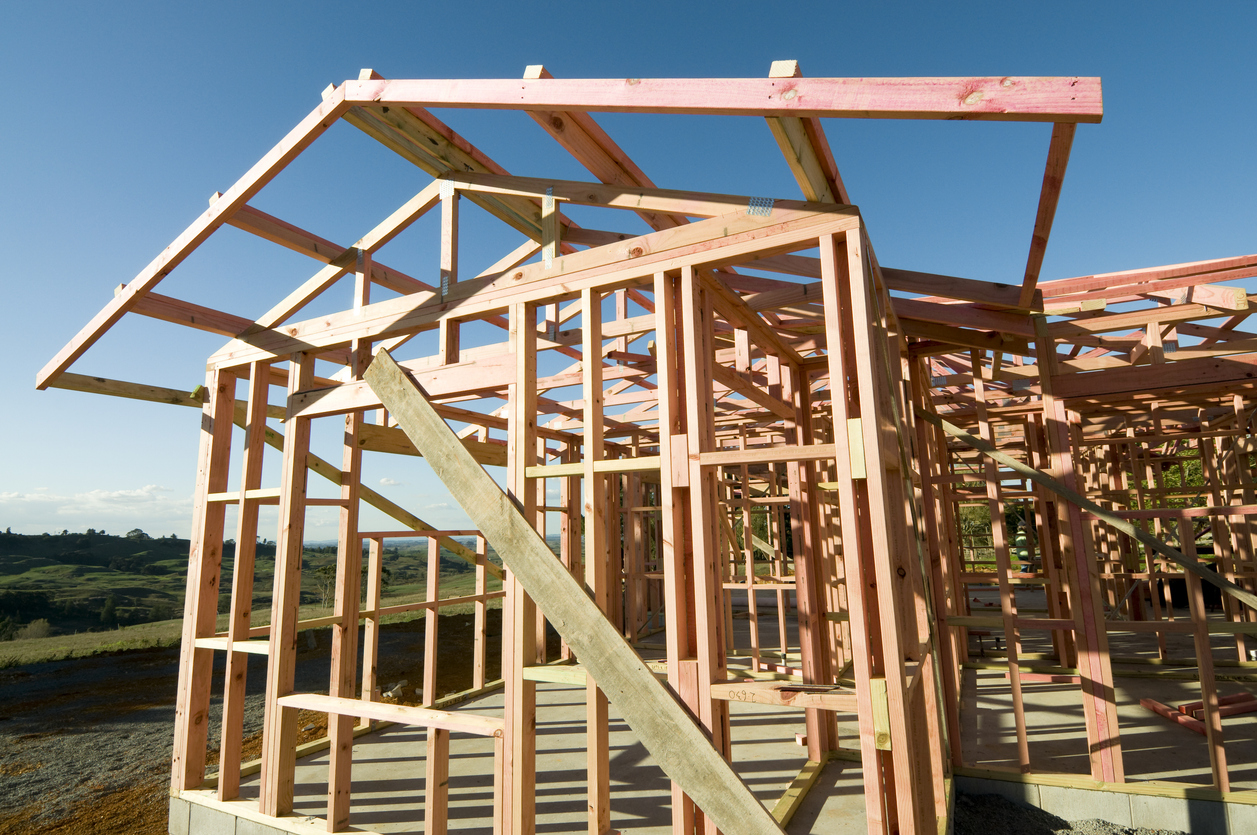
If you’ve been keeping an eye on the news lately, you’ll know the landscape for Central Otago homeowners just shifted.
As of 15 January 2026, the Government’s new legislation regarding "granny flats", or minor residential units, has officially come into force.
For many in Cromwell, Alexandra, and the surrounding basins, this is the "green light" they’ve been waiting for. But before you back the ute up with a load of timber, there’s a bit more to the story than just "consent-free" building.
Here’s what you need to know about the new rules and whether a secondary dwelling is the right move for your property.
The New Rules: What’s Changed?
The headline is simple: you can now build a standalone, single-storey dwelling up to 70 square metres without a building or resource consent, provided you meet specific criteria.
- Size & Scale: Must be 70m² or less and single-storey.
- Safety First: The build must still comply with the NZ Building Code. This isn't a DIY free-for-all; work must be done or supervised by Licensed Building Practitioners (LBPs).
- The Paperwork: While you skip the consent, you must apply for a Project Information Memorandum (PIM) from the Central Otago District Council (CODC) before you start. This identifies natural hazards (like flood zones or schist-heavy ground) and ensures you're on the right track.
- The Setbacks: Your new unit must be at least 2 metres from any legal boundary or other residential buildings.
The Pros: Why Build Now?
- Multi-Generational Living: With Central Otago’s property prices remaining high, providing a space for adult children to save for a deposit or for aging parents to stay close (while keeping their independence) is a huge win.
- Passive Income: Whether it’s a long-term rental for local workers or a short-stay option for the bike trail tourists, that extra 70m² can significantly help with the mortgage.
- Capital Growth: Generally, adding a self-contained unit increases the overall value of your asset. It’s an "add-value" strategy that just got a lot cheaper and faster to execute.
The Cons: The Reality Check
- Development Contributions: Even without a consent fee, the CODC may still charge Development Contributions (DCs). These fees cover the extra load on our pipes and roads and can range from a few thousand to over $20,000 depending on your location.
- Infrastructure Costs: Connecting to power, water, and wastewater isn't cheap—especially in rural areas where you might need a new septic system or a specific potable water setup.
- Landscape & Aesthetics: In our part of the world, we have "outstanding natural landscapes." Your PIM will flag if your design needs to meet specific colour palettes to blend into the hills.
Real Estate Insider Tip: Check Your Covenants
Before you get too excited, check your Record of Title.
Many modern subdivisions in Central Otago have private covenants that may strictly forbid a second dwelling or "transportable" homes, regardless of what the national law says.
The law change removes Government red tape, but it doesn't override a private legal agreement on your land.
Next Steps
Check in with us if you would like to consider your options with an eye on the future. The opportunity to unlock value in your backyard has never been better, but a mistake here can be a costly headache when it comes time to sell.
Sponsored Content: This article has been submitted by a contributing local expert as part of The Central App’s sponsored advisor programme.