ORC pushes ahead with work on improving air quality

Aimee Wilson
25 February 2026, 5:00 PM
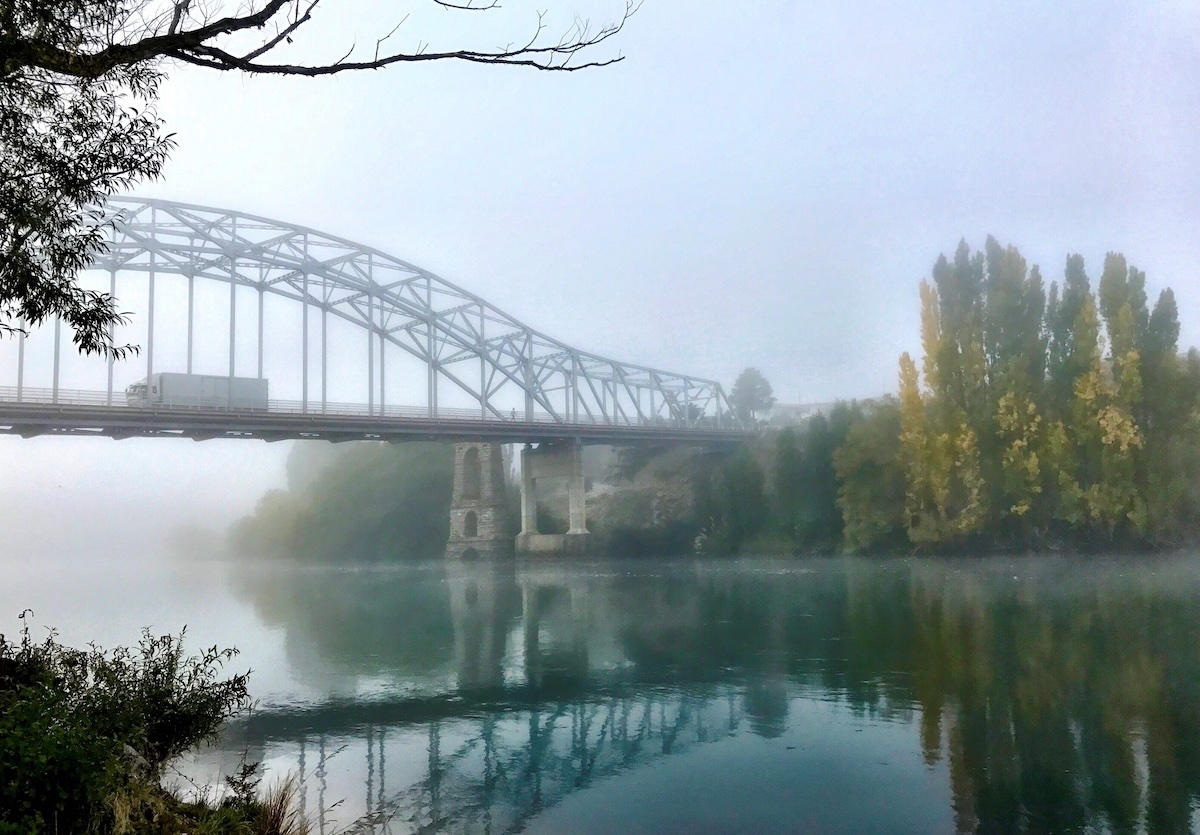 A smoggy winter’s day in Alexandra. Image: file
A wood burner replacement trial to improve air quality and human health outcomes, using a $600,000 underspend, is one idea being considered by the Otago Regional Council.
The proposal managed to gain the approval of the majority of regional councillors, using money that was originally budgeted for in the Regional Air Plan that is now on pause.
The Government halted regional councils’ Regional Air Plans in mid-2025, but the ORC has been progressing to review and update its regulatory and non-regulatory approaches to managing air quality since 2023.
Councillors were split 6-5 on whether to instruct staff to prepare a paper to consider options for the trial and other education actions, such as expansion of the air quality monitoring network.
The surplus will remain in reserves while the report is being carried out by staff, and the next steps decided.
A report to council said air quality is slowly improving in many of Otago’s monitored airsheds, however, Otago’s worst affected towns have some of the poorest winter-time air quality in New Zealand, and still fall short of compliance with the human health standards set out in the National Environmental Standards for Air Quality 2004 (NESAQ).
That includes Clyde, where staff initially suggested that they could use the $600,000 to replace 80 wood burners in the town, reducing emissions by up to 40%.
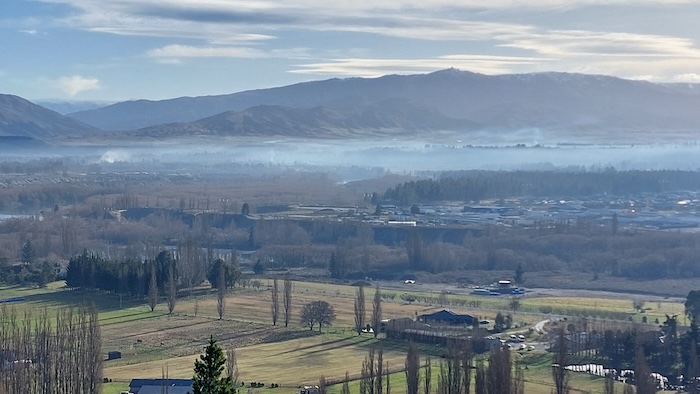
A blanket of smog sits over the Clyde basin. Image: file
Leader of the Otago Housing Alliance Aaron Hawkins also talked in the public forum supporting the initiative, but said the criteria for the funding should be based on the state of the heating appliance itself, rather than focusing on specific towns or airsheds.
Cr Michael Laws called the proposal a “pet project for staff,” saying it was being utilised for a particular purpose to subsidise certain residents in Clyde, where he said the average house price in the town was now around $1 million.
“Clyde is a wealthy community that can provide for its own upgrades.”
Chief executive Richard Saunders defended the accusation it was a pet project, and said the proposal had always been part of earlier discussions in the Annual Plan (2026/27).
He said staff assessments show spending the money on a particular area will lead to improved health outcomes, which is backed by science.
Chair Hilary Calvert suggested that Milton would be a better preference for a town to trial, and pointed out that just because houses were high value in Clyde, didn’t mean those people living in them had high incomes.
Have a story to share or comment to make? Contact [email protected]
NEWS