Mind the Disappointment Gap: Why 2026 is the most dangerous part of the recovery

Trish Love l Finance contributor
02 March 2026, 8:31 PM

It’s a curious time to be in business in Aotearoa. On one hand, the RBNZ has signaled that the worst of the inflation fight is behind us. On the other, liquidation numbers have just hit a 15-year high.
This is what economists call the ‘disappointment gap.’ It is that painful lag between the economy improving on paper and actual cash hitting your bank account.
The Myth of ‘Hunkering Down’
Many Kiwi business owners are currently ‘hunkering down’ while they wait for a definitive green light to grow. However, 2026 won’t favor the cautious; it will favor the prepared. We are currently seeing a wave of ‘cyber-driven’ and ‘debt-overhang’ insolvencies. These are businesses that survived the high-interest years but are finally running out of steam just as the finish line comes into view.
Shifting Your 2026 Financial Playbook
To navigate this gap, your strategy needs to move beyond simple cost-cutting toward resilience-led planning. In this ‘two-speed’ economy, a static annual budget is no longer enough. Consider these two critical shifts for your 2026 roadmap:
- Move to a ‘Rolling 13-Week Forecast’: If your cash runway is only three months, you are exposed. A rolling forecast allows you to see obstacles before they hit.
- Build a Six-Month Buffer: The goal is to create enough liquidity to snatch up market share while competitors are tied up with the IRD’s renewed enforcement of COVID-era debt.
How to GROW Through the Gap
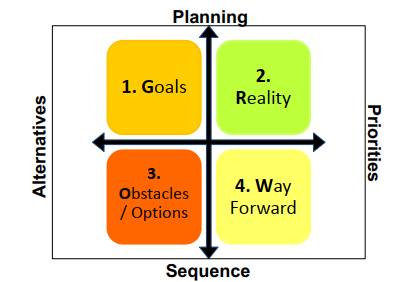
As we’ve discussed before, naming your goals makes you significantly more likely to reach them. Use Love to Grow’s GROW model to bridge the disappointment gap:
- Goals: What does "winning" look like in a recovery? Is it a 15% profit increase or simply improving your supply chain? How many hours are you wanting for business versus personal areas?
- Reality: Be ruthlessly honest about the reality of your operational capacity, cash flow, debt management, business and personal priorities and ensure all these factors are planned well.
- Options & Obstacles: Identify what is standing in your way, whether it is team skills & capacity, IRD debt or a lack of automation, and brainstorm alternative solutions.
- Way Forward: Determine the specific, sequenced steps to improve as the your business moves through the recovery phase.Recheck those steps are aligned with your priorities.
We’re Here to Help
Identifying these steps is only the initial work; implementation is where the recovery is won or lost. As your strategic business partner, Love to Grow is here to help you make your cash flow more user-friendly and ensure you have the roadmap needed to cross your finish line.
If you’re feeling the pressure of the ‘disappointment gap,’ reach out to us. Let’s turn 2026 into the year your business finally hits its stride.
Sponsored Content: This article has been submitted by a contributing local expert as part of The Central App’s sponsored advisor programme.