Huge focus on Local Government reform submissions

Aimee Wilson
26 February 2026, 5:00 PM
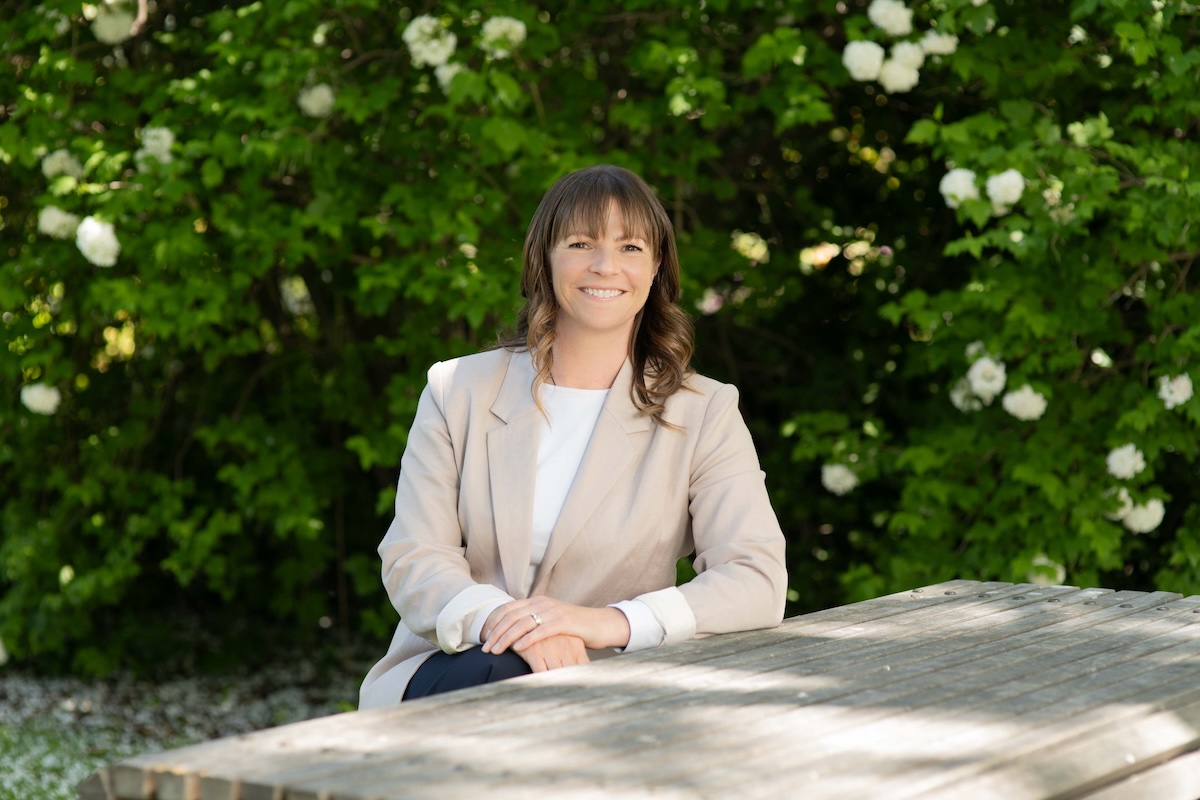 The CODC's submission is about improving the Government's proposal – not rejecting reforms
Submissions on the Simplifying Local Government proposals continue to share similar messages that the reforms place too much pressure on Mayors.
The Government has proposed replacing regional councillors with Combined Territories Boards (CTBs) comprised of local Mayors. The boards will develop reorganisation plans while simultaneously taking on regional council governance functions.
Local Government New Zealand (LGNZ) said in its submission, that developing reorganisation plans will require a significant amount of extra work for most Mayors.
LGNZ’s regional sector chair Dr Deon Swiggs said taking on the governance of regional councils will further add to the workload and could jeopardise the speed and quality of the reorganisation plans and the implementation of resource management reform.
He said one pragmatic suggestion is to retain regional councillors until either the end of this triennium, or when reorganisation plans are finalised.
“This flexibility would allow CTBs to concentrate on reorganisation and get the job done more efficiently.”
LGNZ supports a reset of local government structure, with members at its 2025 annual general meeting passing a remit calling for change.
But the organisation said the proposed boards should have a single focus so that reform can be delivered quickly and is enduring.
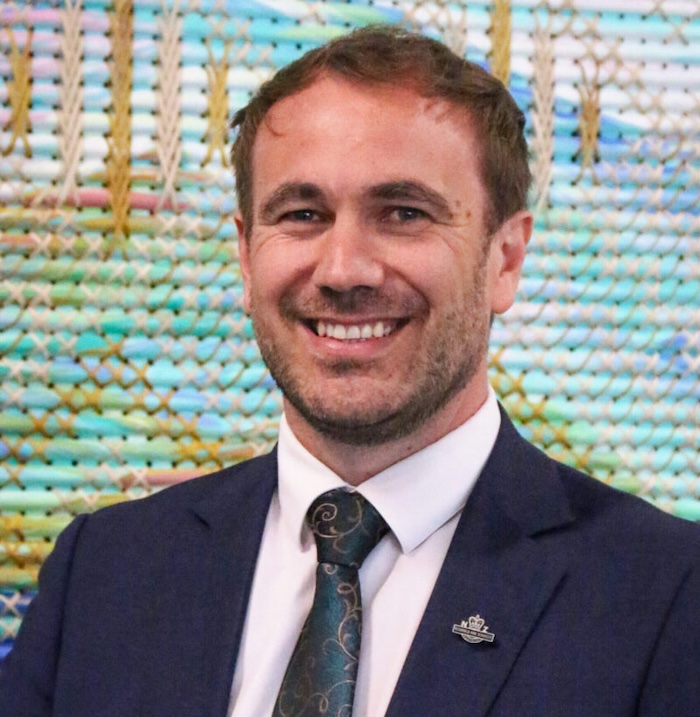
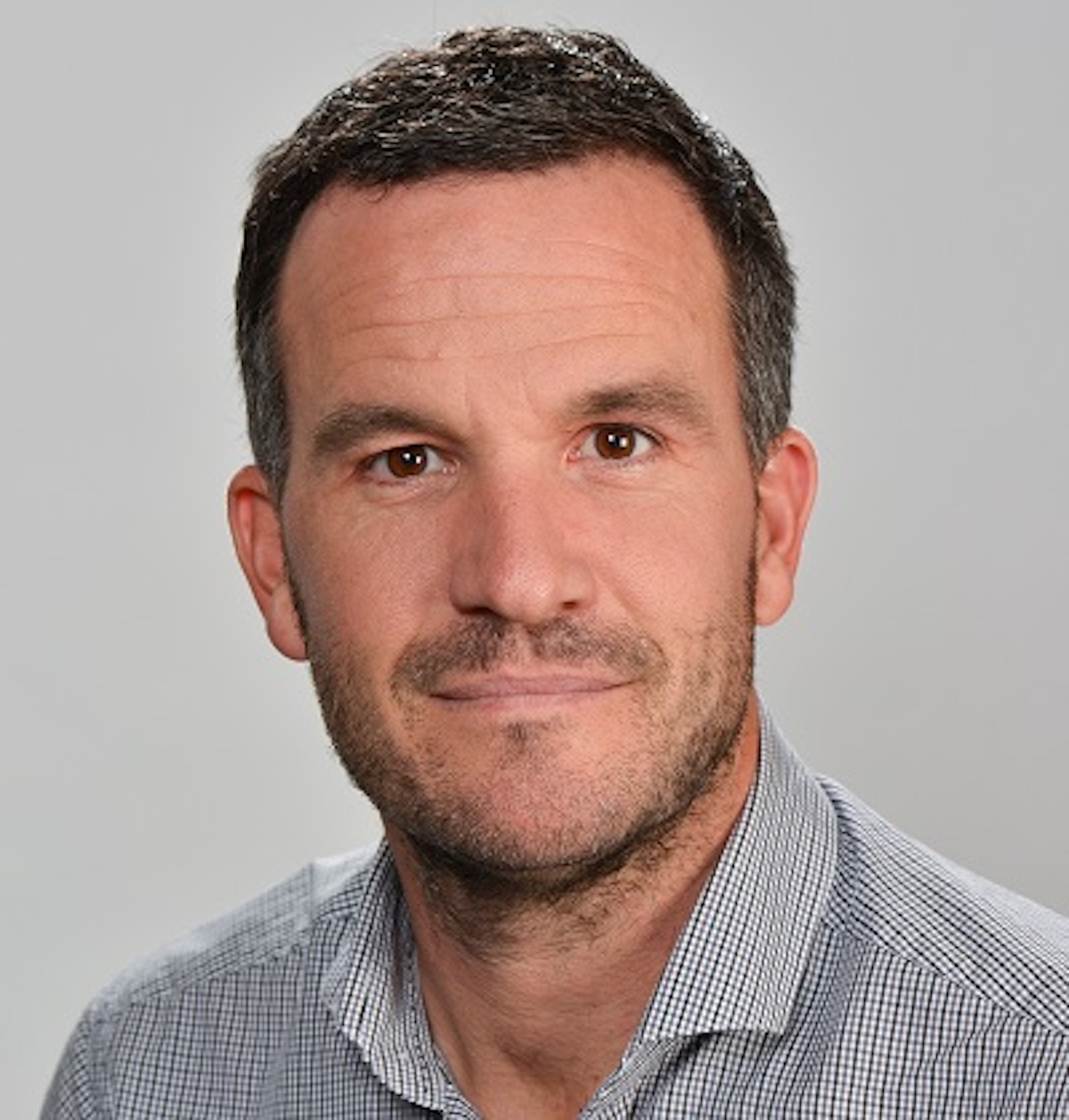
LGNZ chair Dr Deon Swiggs. Image: supplied
The Central Otago District Council also made its submission public this week, which reflects the district’s experience as a small, rural council managing growing responsibilities alongside rising costs, and stresses the importance of reforms being practical, clearly funded, and designed with rural districts in mind.
Mayor Tamah Alley said CODC is not resistant to reform, but the proposed changes do not yet strike the right balance.
“Local government knows the system needs to evolve, but this proposal can’t come at the expense of local accountability.”
“The current proposal raises real concerns for smaller and rural councils like ours, particularly around local accountability and who ultimately makes decisions for our communities. People need to know that decisions affecting their towns, services, and rates are still being made locally, by people who understand Central Otago.”
Despite its concerns, CODC signalled it wants to continue engaging constructively with the Government to help shape a better outcome with well-designed, practical change.
“Instead of forcing a rushed, one-size-fits-all structure, we want a genuine partnership where local communities keep their voice and get the financial support they need to build infrastructure and prepare for the future,” Mayor Tamah said.
“Our submission is about improving this proposal – not rejecting reform altogether.”
CODC has requested the opportunity to speak on its submission and will continue advocating for changes that strengthen, rather than weaken, local democracy and service delivery for Central Otago communities.
Submissions - Central Otago District Council.
LGNZ acknowledges the Government may be committed to removing regional Councillors immediately.
If that’s the case, one option LGNZ suggests is keeping current regional council chairs as the chair or member of a CTB.
Another option is to appoint outgoing regional councillors to a CTB committee in the same way non-elected members can be appointed to council committees.
LGNZ president Rehette Stoltz said regional councillors have important insights to contribute to the development of these plans, “which would be lost if they are completely removed from the process”, he said.
“We want the right expertise in the room so that the most significant changes to local government since 1989 are successful and enduring.”
LGNZ also wants to ensure reorganisation plans already underway, like in the Southland region, can continue at pace.
“It’s important that councils who have already started a reorganisation process before these Government proposals come into effect can press ahead.
“We don’t want them to be unnecessarily slowed down or made to redo processes,” Rehette said.
Have a story to share or comment to make? Contact [email protected]
NEWS

JOBS