Employers, beware the “accidental employee” (sponsored)

Cherilyn Walthew l HR contributor
11 February 2026, 2:36 PM
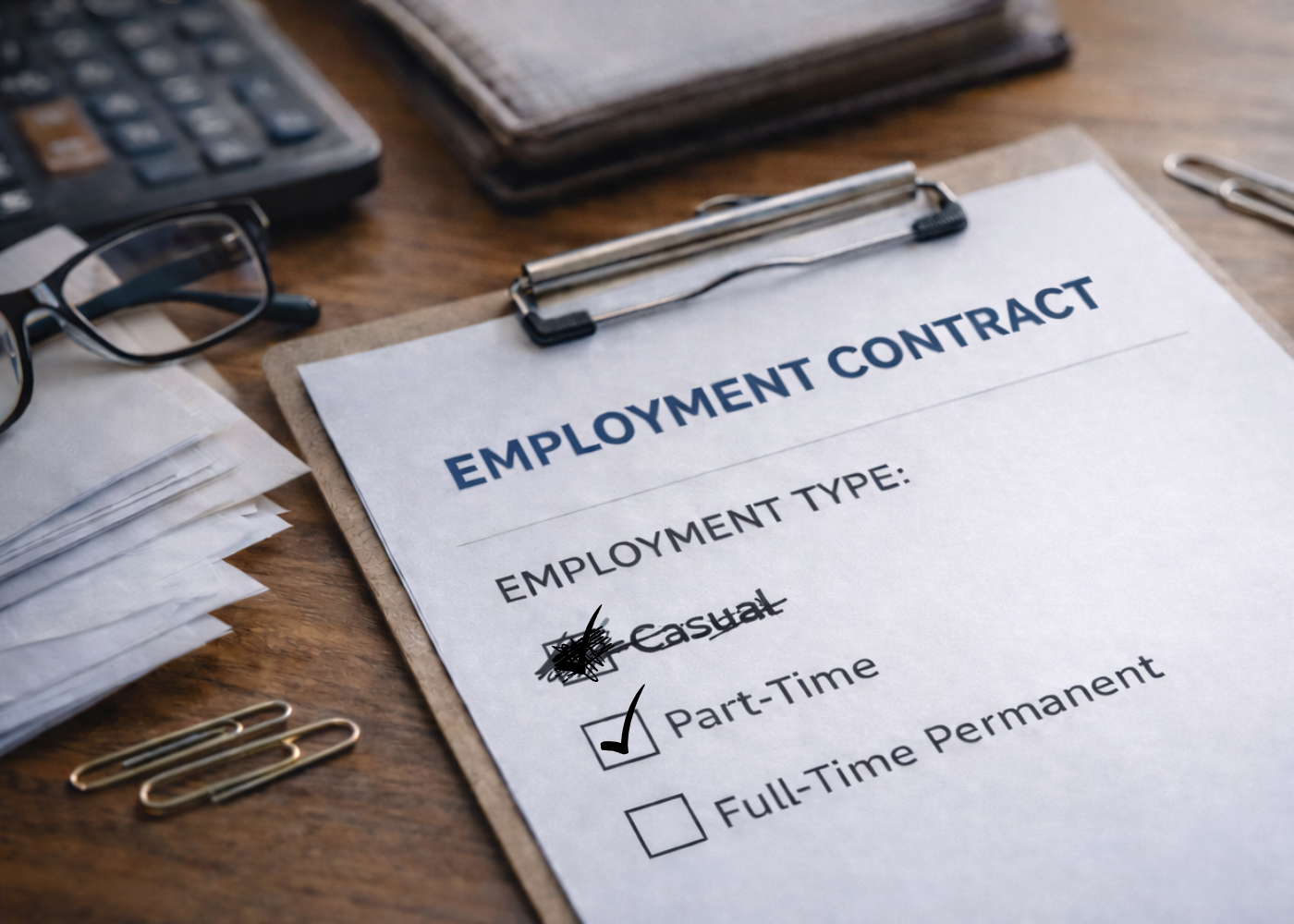
For small business owners and managers, deciding when to employ, who to employ, and on what type of contract is one of the most important strategic decisions you will make.
It’s also one of the most common areas where we see well-intentioned employers in Central Otago inadvertently increase their risk—often without realising it. The biggest trap? The “accidental employee.”
Why Casual Employment Feels Like a Safe Bet
When a business is new, growing, or navigating the seasonal peaks of Central Otago, committing to guaranteed hours can feel daunting. Permanent or fixed-term roles require specified minimum hours and an ongoing financial commitment, even when the future is hazy.
In this context, a casual contract seems like the perfect "safety net."
On paper, it offers a pair of hands without the long-term obligation. But in the eyes of New Zealand law, this is where the ice gets thin.
What a Casual Contract Actually Means
True casual employment is built on one core principle: no expectation of ongoing work.
- Each shift is a separate engagement, and either party can say "no" at any time.
- No guaranteed hours: Work is intermittent and irregular.
- Holiday Pay: Paid at 8% on top of gross earnings.
- Public Holidays: No pay if the business is closed; if worked, it’s time-and-a-half with no alternative day off (day in lieu).
The Reality Check: Where Employers Get Caught
The trouble starts when a "casual" role begins to look and feel permanent.
If you regularly roster the same person for the same shifts over a sustained period, you’ve likely established a pattern of work.
Here is the kicker: the Employment Relations Authority (ERA) ignores the label on your contract. They look at the reality of the relationship.
Because New Zealand legislation doesn’t strictly define where "casual" ends and "permanent" begins, you are at the mercy of case law and the ERA’s interpretation.
The Risk: Once a pattern exists, that employee may be legally deemed permanent for those hours, regardless of what the contract says.
Why This Matters for Your Bottom Line
If an employee is reclassified as determined to be permanent, the "low-risk" option suddenly becomes a compliance nightmare:
- Enforceable Hours: Those regular shifts become contractually guaranteed.
- Recalculated Leave: 8% pay-as-you-go may no longer be compliant; annual leave entitlement must be accrued.
- Public Holiday Entitlements: They will be entitled to paid public holidays if you are closed and if they work a shift that’s usually theirs, they’ll get a day off in lieu as well as time and a half.
- Restructuring Hurdles: You can't just stop giving them hours; any reduction requires a formal, legal process including consultation.
Is Casual Employment Ever the Right Choice?
Absolutely. It is the correct tool for work that is:
- Genuinely irregular or unpredictable.
- Short-term and event-based (e.g., a one-off festival or seasonal harvest surge).
If you are using a casual contract simply because you’re nervous about the future, you aren't protecting yourself, you're potentially creating a ticking time bomb.
A More Strategic Path Forward
Instead of defaulting to casual, Central Otago businesses should consider all the options available:
- Part-time permanent roles with modest, sustainable hours.
- Fixed-term agreements tied to a genuine, documented business need.
- Flexible clauses that balance business adaptability with legal certainty.
How we help
At EASI NZ, we work alongside small and growing businesses to design employment arrangements that align with their operational realities, growth plans, and risk profile, while ensuring legal compliance and clear expectations.
If you’re unsure whether you may have an accidental employee, or you’d like confidence that your employment structure truly supports your business, now is the time to review it.
PROFESSIONAL SERVICES