Councils seek clarity and funding for RMA reform

Aimee Wilson
11 December 2025, 4:48 PM
 LGNZ says the new RMA system may take councils by surprise
Local Government New Zealand says major resource management changes will need strong funding support to avoid extra pressure on ratepayers.
The Government unveiled its new Resource Management system earlier this week, signalling what councils describe as a “fundamentally different” way of working for the country.
LGNZ Vice President Rehette Stoltz said councils are ready for long-awaited reform.
“New Zealand has been talking about RM change for decades; councils want to get on with delivering it well.”
She said the push for more certainty and less red tape is welcome.
However, transition arrangements — including extended consents and elements of the new system applying immediately once legislation passes — may take councils by surprise.
“The extension of some consents will likely have workforce impacts for councils in the regions.
“We need to transition to the new system with care. Local priorities need to be reflected within national frameworks.
“We will have opportunities next year to help shape those.
“This reform means less local voice and more central direction, which means decisions around trade-offs are largely made at a national level, or through plan making, rather than through consenting.
“It’s vital the public are aware that they need to participate in the development of combined plans if communities want to have their say on the outcomes they want in their regions.
“The implementation timeframe is rapid and transition and implementation costs will be significant, particularly the development of Regional Combined Plans and their independent hearings process.
“LGNZ will be advocating for funding and support to manage these changes effectively, and we’ll be asking the Government to make this a focus in Budget ’26.”
LGNZ regional sector chair Dr Deon Swiggs said the reforms will have wide impacts on regional councils.
“We know it’s a difficult period for staff and elected members. Regional councils still have a critical job to do for New Zealand.”
“Jobs, trade and the economy rely on New Zealand’s natural resources; the work to protect the environment will still need to be done by regional councils until the new system is in place.”
Rehette said other policy settings will need amendment to ensure planning reforms deliver real benefits.
“Planning reform allows more development but councils still need to provide the infrastructure for those developments. We need new funding and financing tools, like development levies and Infrastructure Funding and Financing Act changes, to service this growth, especially as requirements to free up more land challenge councils' ability to plan.
“We welcome new development levies and IFF changes to fund development. Implementing the coalition’s GST sharing on new builds policy is needed to unleash the reform’s full potential,” she said.
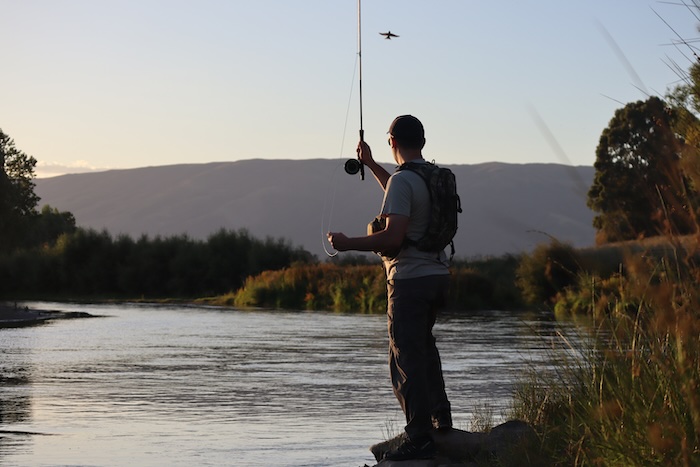
Fish and Game says key interests of anglers appears weakened under the RMA overhaul
Meanwhile, Fish & Game New Zealand said while it welcomes parts of the reform — including the retention of Water Conservation Orders and simpler wetland creation — stronger safeguards are still needed.
CEO Corina Jordan said retaining Water Conservation Orders in the new system is a major positive.
"Water Conservation Orders protect 16 nationally significant water bodies, and Fish & Game has been instrumental in establishing most of these.
"These orders recognise outstanding values for fishing, hunting, recreation and ecosystem health. Their retention is excellent news for our 300,000 licence holders and all New Zealanders who value these special places."
Corina said the organisation supports clearer national direction, simpler planning processes and national standards that may make wetland construction easier.
"We've been advocating for years to make it easier to create wetlands.”
"If national standards enable wetland construction without requiring resource consent, that will be a significant positive step for game bird habitat and broader environmental outcomes."
However, she said key interests of anglers and hunters appear weakened under the reform.
"The Resource Management Act specifically required consideration of trout and salmon habitat, amenity values, and recreational opportunities.
"These provisions appear to have been removed or significantly diluted, and we're concerned this doesn't reflect the values of our licence holders or the broader New Zealand public who value freshwater recreation."
She said Fish & Game will closely examine how environmental limits are implemented under the new framework.
Jordan said access is another concern.
"The Resource Management Act required councils to maintain and enhance public access to lakes, rivers and the coast. The Planning Bill only requires councils to maintain access, removing the obligation to improve it. For hunters and anglers, access to waterways is fundamental."
She says local input is essential but must sit within a strong national environmental framework.
"We believe New Zealand can have healthy freshwater, thriving communities and a prosperous economy. But the legislative framework needs to support all three of these outcomes, not prioritise one over the others."
Jordan said Fish & Game will continue engaging as the legislation progresses through Parliament.
"Our vision is a New Zealand where freshwater habitats and species flourish, hunting and fishing traditions thrive, and all Kiwis enjoy access to sustainable wild fish and game resources,” said Jordan.
"We'll be working to ensure these reforms support that vision."
Have a story to share or comment to make? Contact [email protected]
NEWS

WHAT'S ON


JOBS