Council plan treats Central Otago as one big playground

Kim Bowden
09 March 2026, 5:00 PM
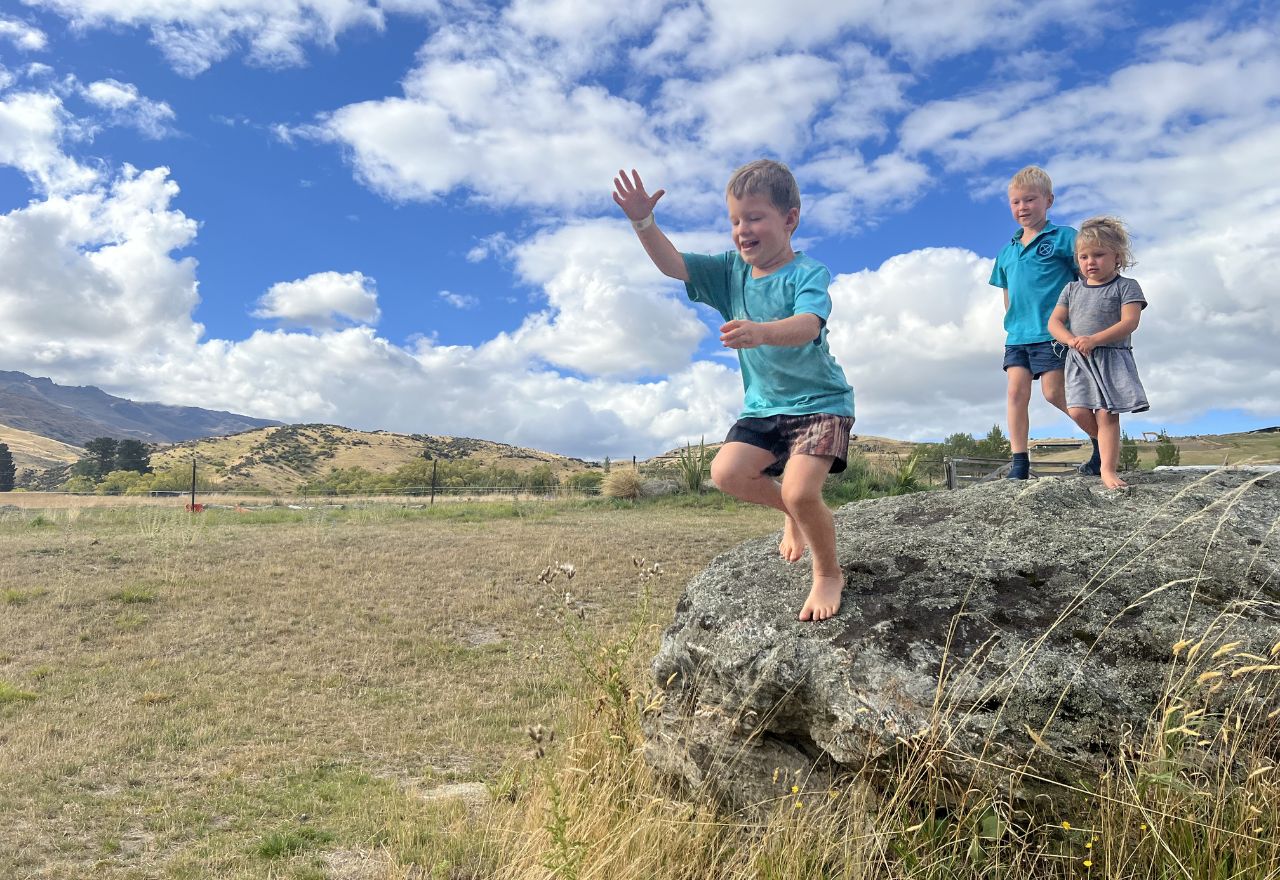 Councillor Sarah Browne: 'Play doesn’t have to be structured and there are opportunities everywhere'. Image: The Central App
Central Otago District Council is moving away from simply replacing aging swings and slides in favour of a 30-year strategy that treats the entire district as a playground.
According to the strategy, while they are are more than twice as active as the national average, 82 per cent of Central Otago's young people are still failing to meet recommended physical activity guidelines.
The draft ‘Play Strategy’ was approved for public consultation at a council meeting on February 25 and outlines how play spaces will be developed across the district.
Cromwell councillor Sarah Browne said the strategy encouraged people to make the most of outdoor spaces.
“The bottom line is that we want our kids to be active...play doesn’t have to be structured and there are opportunities everywhere,” Sarah said.
“I’m all for unwrapping the cotton wool and letting our kids climb trees and make rope swings.
“We want to promote our kids living their best lives in this playground we call home.”
CODC parks officer Maria Burnett said this is the first time the district has had a long-term, district-wide framework for play.
“This strategy moves us from reactive renewals to intentional planning. It shifts us from many small, ageing sites towards a connected network,” she said at the February meeting.
Maria said playgrounds were some of the most visible and heavily used facilities the council provided.
“They influence whether families feel our towns are welcoming, how young people engage with public space, how connected communities feel, and how our public realms support wellbeing,” she said.
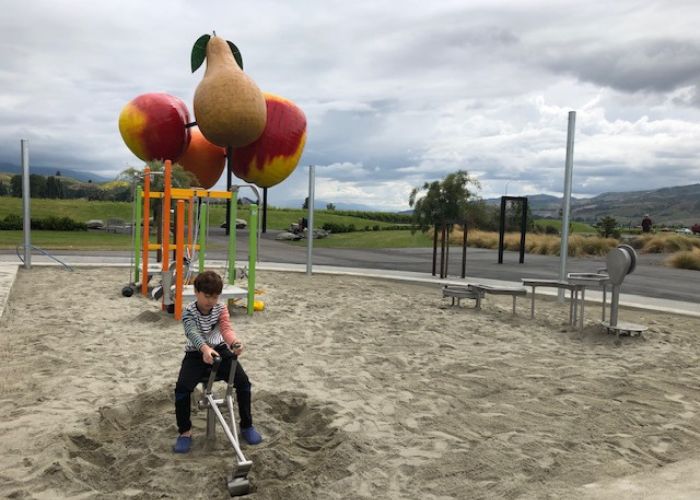
A potential 'destination' playground? Image: CODC
The strategy proposes a tiered network of play spaces across the district, including a key “hub” playground in each ward - Pioneer Park in Alexandra, John Street in Ranfurly, King George Park in Roxburgh and Big Fruit Reserve in Cromwell - alongside smaller neighbourhood playgrounds.
The strategy also proposes building play into everyday public spaces, not just playgrounds, using features such as “playable” paving along footpaths and stormwater basins that double as nature play areas.
It identifies a gap in the district: the lack of a “destination-level” playground capable of drawing visitors from across the South Island, with Cromwell’s Big Fruit Reserve identified as a potential site.
However, the strategy does not commit the council to specific projects or spending, and funding decisions would still be made through the council’s long-term and annual plans, Maria said.
More than 580 people contributed to the draft strategy through surveys and workshops, including 143 pupils from Years 3 to 8.
Public consultation on the draft strategy opened on Monday (March 9) and will run for four weeks.
A final version of the strategy is expected to be presented to councillors for adoption in June.
Have a story to share or comment to make? Contact [email protected]
NEWS
FREE ADVICE