Central Otago backs risk-based approach to quake-prone buildings

Kim Bowden
18 February 2026, 5:00 PM
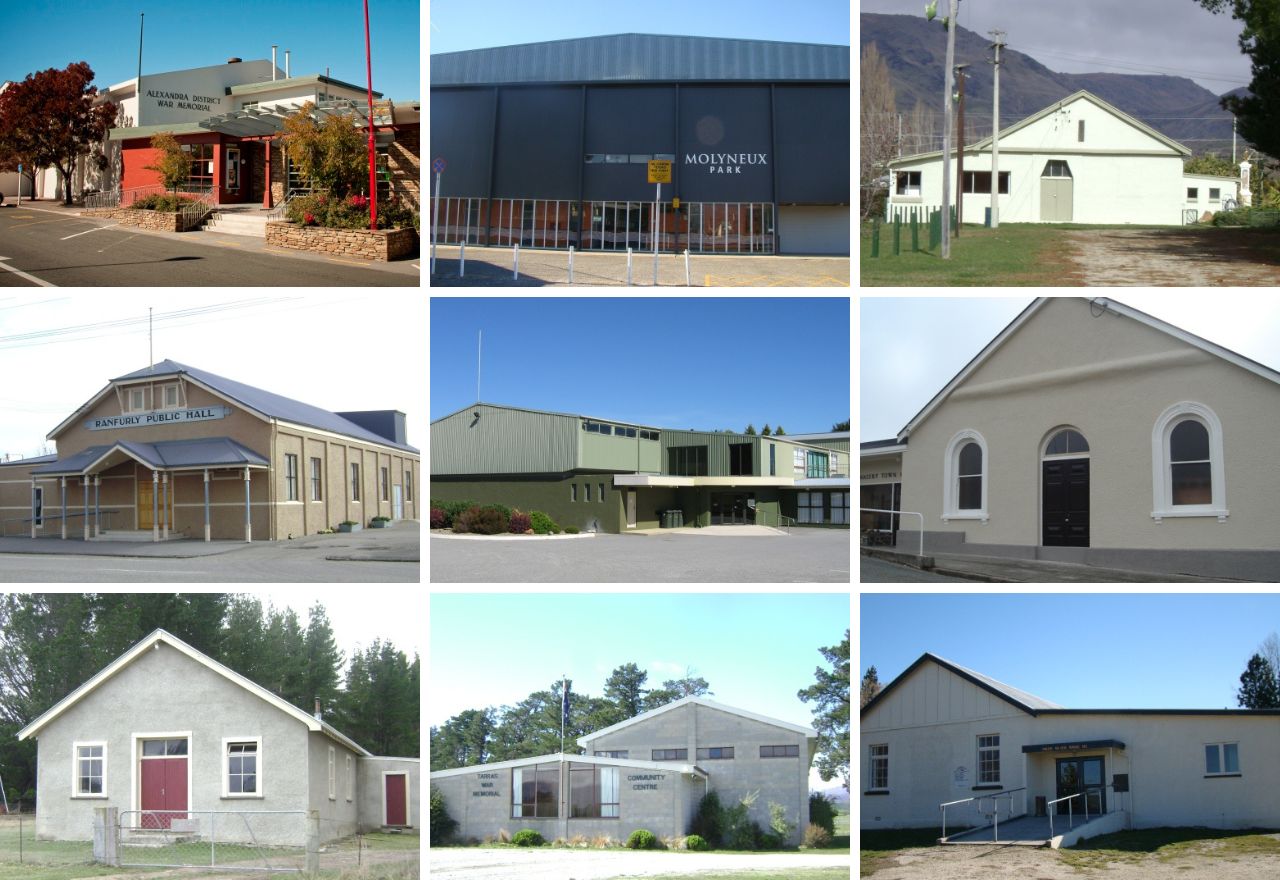 Many of Central Otago’s earthquake-prone buildings are commuity treasures - but they're also old, expensive to fix, and owned by a council with a small ratepayer base. Images: CODC
Central Otago District Council (CODC) is backing proposed changes to national rules for earthquake-prone buildings, saying a risk-based approach would protect public safety without forcing small communities to lose beloved buildings they cannot afford to upgrade.
In a submission lodged on the Building (Earthquake-prone Buildings) Amendment Bill, the council said the changes on the table could significantly reduce costs for districts like Central Otago, where the council owns 15 earthquake-prone buildings, all of them historic.
The council said earthquake-strengthening costs under current settings would run into the millions for buildings that sit at the heart of rural communities, placing a huge burden on a small ratepayer base.
"These historic buildings deeply connect to the district’s identity. They reflect the regions gold-mining origins, resilient early communities, and the distinct way of life shaped by the climate, landscape, and cultural traditions," the submission said.
Mayor Tamah Alley said the council supported the move to a risk-based approach.
“A risk-based approach allows us to focus our resources where they are needed most, ensuring public safety while recognising the significant financial impact current settings have on small communities like ours,” she said.
“We are committed to protecting both our people and our heritage buildings in a way that is practical, proportionate, and sustainable."
The council said its earthquake-prone buildings ranged in age from 50 to 158 years old, with many performing poorly against modern building standards due to their age and original construction methods.
The oldest, the Naseby Town Hall, was built in 1868 - just 26 years after the signing of the Treaty of Waitangi.
Central Otago covers nearly 10,000 square kilometres but has approximately 25,500 residents and 15,500 ratepaying units, which the council said created “a significant funding and financing challenge” under current earthquake-strengthening requirements.
CODC’s 2025-2037 Long Term Plan has budgeted $8.6M for earthquake strengthening across 11 buildings it plans to retain.
If four buildings earmarked for potential divestment were also kept, costs would rise by $2–3M.
“This would represent a spend in excess of $555 per ratepaying unit for the 11 to be retained; or almost $700 for all 15,” the submission said.
The proposed legislative changes would allow the council to prioritise work on the highest-risk parts of buildings rather than requiring full upgrades to modern standards.
The submission also highlighted strong community support for retaining council-owned halls and facilities.
During consultation on the Long Term Plan last year, 650 submissions were received on the future of earthquake-prone buildings, with 85.8 per cent supporting retaining some or all of them.
Public submissions on the bill closed on Monday (February 16), with a report due to the Transport and Infrastructure Select Committee later this year.
Read more: Council weighs impact of new quake rules on local halls and assets
Have a story to share or comment to make? Contact [email protected]
NEWS